Some deliveries may take a little longer than usual due to regional shipping conditions.

DOWNLOAD THE APP


Customer Services
Copyright © 2025 Desertcart Holdings Limited
DOWNLOAD THE APP
Full description not available
E**M
Excellent book.
Wonderful book illustrations beautiful
P**K
Love this range
Beautiful coffee table book to dip into. Lovely photos and quality product
M**Y
In the know
Very good and informative, that is if you are interested to know more about the bible or learning more about the religion.
G**E
Five Stars
A detailed and well illustrated book.
P**O
Five Stars
Very good content
J**N
A Guide, A Reference, A Work of Art
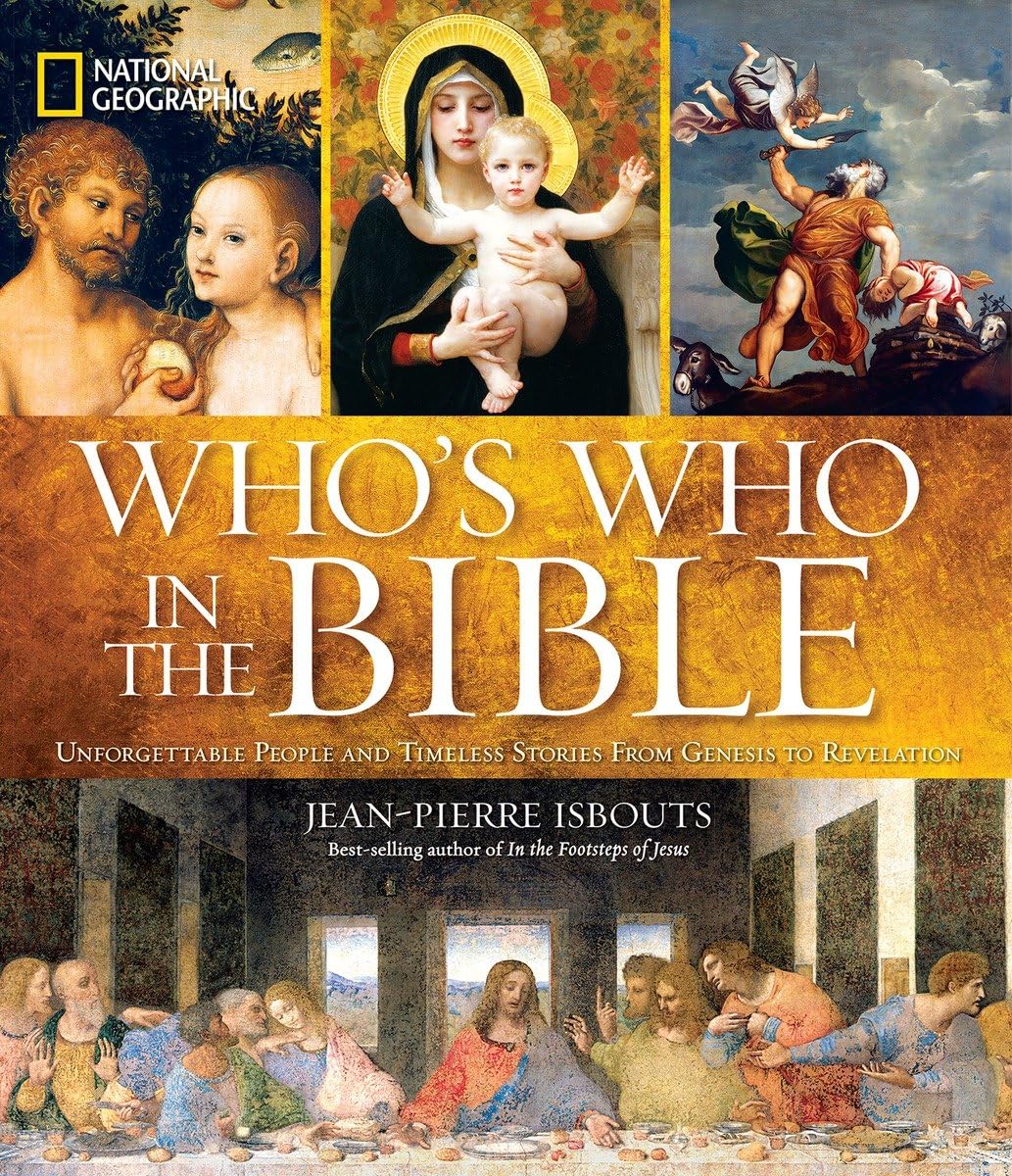
As you read the Bible have you ever had trouble keeping track of names that pop up? Which king or prophet was in the Northern Kingdom and which was in the Southern? Which Apostle was from which town or the brother of another? Who was the husband and who was the wife? If, like me, you have, "Who's Who In The Bible" is a very helpful reference.It is organized into chapters by Biblical books: Genesis to Deuteronomy; Joshua to Kings; Chronicles to Maccabees; Gospels; Acts to Revelation. Each chapter begins with a one page introduction asking: "Who wrote" the books? The next section contains information about the main characters in the books covered in the chapter. Each chapter concludes with an alphabetical listing of characters in the covered books. Most of the information is drawn from the Bible, supplemented by information from secular sources. Side articles cover the milieu out of which the Scriptures grew. Reproductions of classical art place the narrative in the context of Western culture. Maps help the reader locate the places where events occurred.After reading this from cover to cover, I plan to keep it handy to help place the characters about whom I read in their proper relationships. I find that and the maps to be real aids to understanding. I do not sense a particular sectarian slant in this work. Author Jean-Pierre Isbouts does draw on secular information but not in ways to challenge faith. An example would be that he mentions that, although Jesus and St. Joseph are referred to as carpenters, the word used could mean worker in wood, stone or other materials. That, along with the scarcity of wood in Palestine and Jesus' many reference to farming occurrences suggest, according to the author, that they may have been farmers who did some construction work. That is an interesting thought that does not change the message of the Gospel. The one thing I found objectionable is the use of B.C.E. and C.E. in the place of B.C. and A.D. The subject is the Bible so do not try to avoid common references to its central character."Who's Who In The Bible" is a book to read, pull off your shelf for a quick clarification or to leave on your coffee table. The cover will attract the eye and the artwork and short articles will make for enjoyable perusal by your guests. It is a work that will always delight and never grow stale.
Trustpilot
2 days ago
2 weeks ago
4 days ago
1 month ago