Some deliveries may take a little longer than usual due to regional shipping conditions.

DOWNLOAD THE APP


Customer Services
Copyright © 2025 Desertcart Holdings Limited
DOWNLOAD THE APP
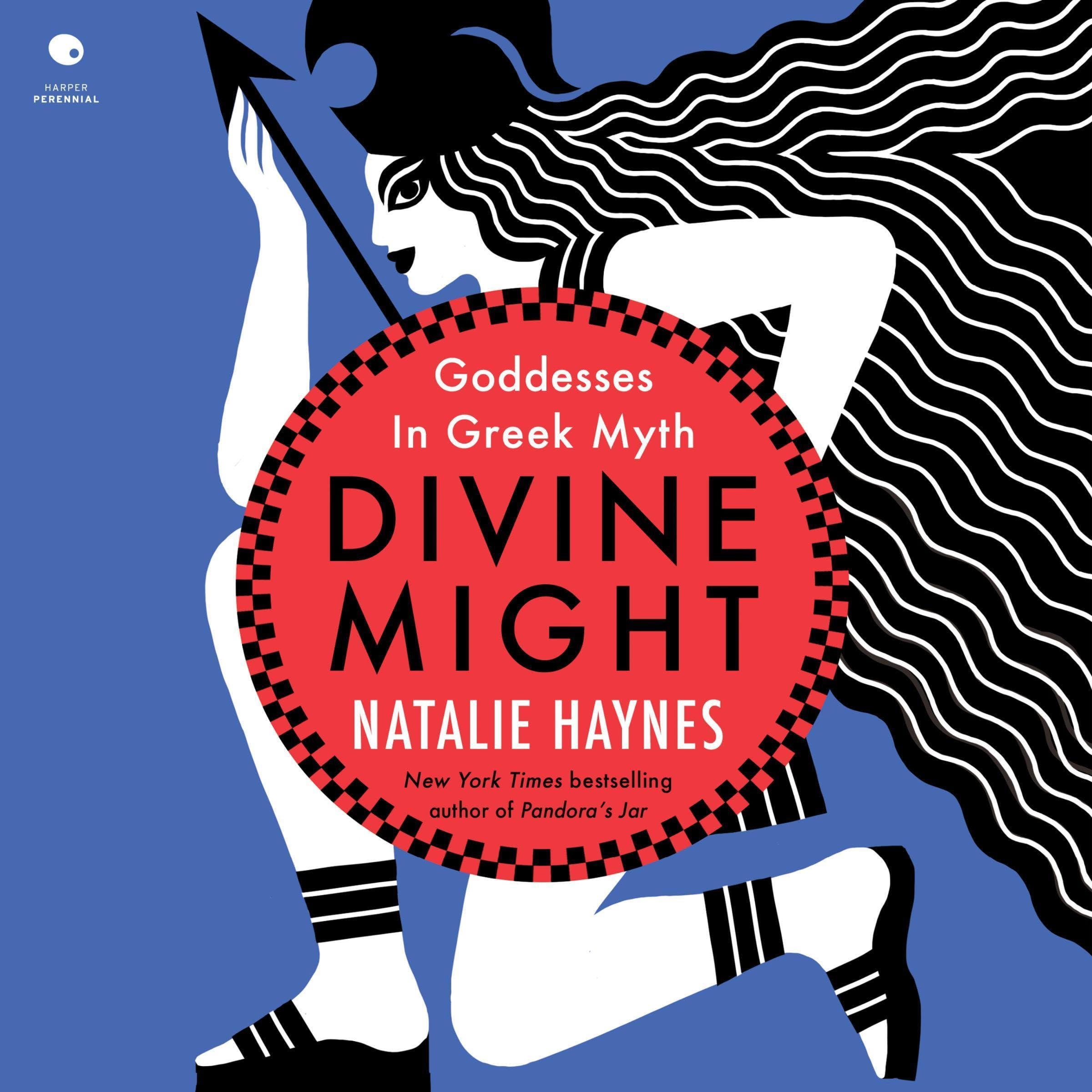
desertcart.com: Divine Might: Goddesses in Greek Myth (Audible Audio Edition): Natalie Haynes, Natalie Haynes, Harper Perennial: Books Review: Engaging Reading - Excellent reading, even if you're not that familiar with Greek myth. Natalie Haynes is erudite, entertaining, and humorous in her contemporary explorations of Hera, Aphrodite, Artemis, Demeter, Hestia, Athene, the Furies, and the Muses. She has a real ability to examine aspects of the contemporary world through these ancient myths. Review: A Favorite Author of Greek Mythology! - DIVINE MIGHT: GODDESSES IN GREEK MYTH BY: NATALIE HAYNES Natalie Haynes prolific author of so many feminist retelling regarding Greek Mythology has written another absorbing non-fiction book called "Divine Might," has written about several goddesses which my favorite two are about Hera and Artemis. She has used modern movies and art and many other mediums to retell often vilified goddesses and has offered her interpretation which removes the fault with which many have been attributed. With Artemis the hunter with the quill of arrows and bow an example to see the goddesses from the female perspective she uses a well known source from two of Euripides's plays. Artemis who was never a stranger to child sacrifice Natalie Haynes gives as an example last play Euripides wrote which was produced posthumously, around 405 BCE., in which we are all familiar with called "Iphigenia in Aulis," It basically depicts the events which took place when the Greek forces mass at Aulis, planning to set sail from there to Troy. Achilles has already proven himself to be the greatest warrior among the men when Agamemnon was the commander of the Greek war effort against Troy. They are gathered with the intent of retrieving Helen who fled Sparta to be with Paris. Agamemnon's sister-in-law that has abandoned his brother Menelaus. The Greeks have been unable to sail and the cause has been deemed to have been some kind of offense to Artemis. The exact reason for the offense has varied depending on the source. It could have been attributed to Atreus, Agamemnon and Menelaus's father who offended the goddess Artemis by promising to sacrifice an animal, and then failing do so therefore failing to fulfill his promise. As Natalie Haynes states Greek gods don't mind taking their revenge on a later generation. She also states about an ancient scholar, writing about the now-lost epic poem the "Cypria," says that Agamemnon was responsible for an excessive prideful slur, After shooting a deer , the Greek King full of self confidence boasted that not even Artemis could have done a better job as a hunter. This kind of slur rarely goes down well on Olympus. Pseudo-Apollodorus suggested that both were the cause. Agamemnon claimed to be as skillful of a hunter as Artemis the goddess of hunters. Also, his father failed to keep a promise to sacrifice a golden sheep. Either reason, the Greek priest Calchas interpreted the wrath of Artemis as requiring a sacrifice of Agamemnon. He summons his own daughter, Iphigenia, to Aulis by instructing his wife Clytemnestra to bring their eldest daughter for the reason that Iphigenia is going to be married to Achilles while that was his subterfuge that he used to get his wife to bring her by sending a letter when knowing all along he was going to sacrifice Iphigenia. He changed his mind and wrote a second letter saying that she can get married another year, and not to bring her. Menelaus grabs the letter from the old priest and reads it, and when the priest berates Menelaus for reading the letter that wasn't meant for him. Menelaus responds that the old man shouldn't have been carrying something that was bad for Greece. More specifically Menelaus saw the letter as being bad for him to get his wife back, who was the beautiful Helen of Troy, Clytemnestra's younger sister. Menelaus pockets the letter and confronts his brother. Agamemnon had been happy or pleased to sacrifice his daughter to Artemis. They argue without mentioning the offense to Artemis. You all know the rest of the story Iphigenia dies. As I said that has been a favorite of mine and for reasons of keeping this brief I won't go into the section I liked about Hera. I did enjoy this book and it clearly shows Natalie Haynes has meticulously researched this. Publication Date: January 2, 2024: Available Now To Purchase!
M**J
Engaging Reading
Excellent reading, even if you're not that familiar with Greek myth. Natalie Haynes is erudite, entertaining, and humorous in her contemporary explorations of Hera, Aphrodite, Artemis, Demeter, Hestia, Athene, the Furies, and the Muses. She has a real ability to examine aspects of the contemporary world through these ancient myths.
K**1
A Favorite Author of Greek Mythology!
DIVINE MIGHT: GODDESSES IN GREEK MYTH BY: NATALIE HAYNES Natalie Haynes prolific author of so many feminist retelling regarding Greek Mythology has written another absorbing non-fiction book called "Divine Might," has written about several goddesses which my favorite two are about Hera and Artemis. She has used modern movies and art and many other mediums to retell often vilified goddesses and has offered her interpretation which removes the fault with which many have been attributed. With Artemis the hunter with the quill of arrows and bow an example to see the goddesses from the female perspective she uses a well known source from two of Euripides's plays. Artemis who was never a stranger to child sacrifice Natalie Haynes gives as an example last play Euripides wrote which was produced posthumously, around 405 BCE., in which we are all familiar with called "Iphigenia in Aulis," It basically depicts the events which took place when the Greek forces mass at Aulis, planning to set sail from there to Troy. Achilles has already proven himself to be the greatest warrior among the men when Agamemnon was the commander of the Greek war effort against Troy. They are gathered with the intent of retrieving Helen who fled Sparta to be with Paris. Agamemnon's sister-in-law that has abandoned his brother Menelaus. The Greeks have been unable to sail and the cause has been deemed to have been some kind of offense to Artemis. The exact reason for the offense has varied depending on the source. It could have been attributed to Atreus, Agamemnon and Menelaus's father who offended the goddess Artemis by promising to sacrifice an animal, and then failing do so therefore failing to fulfill his promise. As Natalie Haynes states Greek gods don't mind taking their revenge on a later generation. She also states about an ancient scholar, writing about the now-lost epic poem the "Cypria," says that Agamemnon was responsible for an excessive prideful slur, After shooting a deer , the Greek King full of self confidence boasted that not even Artemis could have done a better job as a hunter. This kind of slur rarely goes down well on Olympus. Pseudo-Apollodorus suggested that both were the cause. Agamemnon claimed to be as skillful of a hunter as Artemis the goddess of hunters. Also, his father failed to keep a promise to sacrifice a golden sheep. Either reason, the Greek priest Calchas interpreted the wrath of Artemis as requiring a sacrifice of Agamemnon. He summons his own daughter, Iphigenia, to Aulis by instructing his wife Clytemnestra to bring their eldest daughter for the reason that Iphigenia is going to be married to Achilles while that was his subterfuge that he used to get his wife to bring her by sending a letter when knowing all along he was going to sacrifice Iphigenia. He changed his mind and wrote a second letter saying that she can get married another year, and not to bring her. Menelaus grabs the letter from the old priest and reads it, and when the priest berates Menelaus for reading the letter that wasn't meant for him. Menelaus responds that the old man shouldn't have been carrying something that was bad for Greece. More specifically Menelaus saw the letter as being bad for him to get his wife back, who was the beautiful Helen of Troy, Clytemnestra's younger sister. Menelaus pockets the letter and confronts his brother. Agamemnon had been happy or pleased to sacrifice his daughter to Artemis. They argue without mentioning the offense to Artemis. You all know the rest of the story Iphigenia dies. As I said that has been a favorite of mine and for reasons of keeping this brief I won't go into the section I liked about Hera. I did enjoy this book and it clearly shows Natalie Haynes has meticulously researched this. Publication Date: January 2, 2024: Available Now To Purchase!
T**A
Funny and smart
A great book on the main Greek goddesses their antics and personalities; it is funny, easy to understand, the associations with popculture are smart and most especially, she writes them from a woman's point of view. Refreshing
M**O
book by request
It is a book by request or so it seems. It covers its purpose of describing Greek Godesses yet it diverts into the authors mind and thoughts in respect to the Goddesses. Entertaining and knowledgeable., yet lacks punch
H**L
The Perspective of the God—desses
Another observation of Greci-Roman Mythology, Natalie Haynes focuses on the goddesses that make prominent impacts in mythology. To expand their importance and impactness, Haynes selects the stories the goddesses are either known for or were known supporters of famous Hreek or Roman heroes. Great analysis of the Greek female dieties.
M**Y
Great read!
This author is wonderful and I love her twist on mythology and the woman. All we hear about is the men.. about time we got the woman side of it!!
J**P
Great book about female greek goddesses
I loved this book. I wanted to find something about women in Greece and I loved this book
K**D
Loved new take on Greek mythology
I love everything related to Greek mythology, so immediately jumped on this latest book by @nataliehaynesauthor. This tells the story (nonfiction) of the Greek goddesses -- some well known (Aphrodite or Athena) some lesser known (Hestia) sandwiched by the Muses and the Furies. * Typical of everything she's done before, this is packed with information about these goddesses--even when she says up front that there's just about nothing in existence, she still manages to pull together a really engaging story. It provides context of how these goddesses showed up in art and culture throughout time, including modern pop culture references. And all the while, it's infused with her typical dry humor that makes all these characters accessible if not relatable. * My only real critique is that there seemed to be a lot of information that was only somewhat tangential to the goddess in question (as much as I love reading about The Hunger Games in a book on Greek goddesses, I'm not sure we needed *quite* that much of a plot recap), that felt like it could have been edited down some. * But like always, I definitely learned something, and really enjoyed reading this!
C**M
Adorei o livro
W**I
JUBILATOIRE: les coups du Destin, avec les Choeurs de la Grèce Antique, les Dieux Grecs, le jazz, l'humour dévastateur, et tout le tintouin: Woody Allen s'est surpassé, avec ce film !: quelle imagination débordante, quel PLAISIR! Merci, Mr. Allen!: vous êtes irremplaçable!
V**N
‘Divine Might: Goddesses in Greek Myth’ by Natalie Haynes is a fascinating overview of eight Greek goddesses. These are: the Muses, Hera, Aphrodite, Artemis, Demeter, Hestia, Athena, and the Furies. I am a huge fan of Natalie Haynes’ writings - both fiction and nonfiction. She writes in a very conversational style that includes amusing quips and asides. She doesn’t just focus upon ancient texts but considers these Goddesses as they have been depicted throughout history, including in art and modern popular culture. I feel that this approach brings these distant figures of myth more fully into the modern world and demonstrates their continued relevance. Overall, I found ‘Divine Might’ an excellent read and one that I have no hesitation in highly recommending.
R**Y
I've read a lot of novelised versions of various Greek myths so it was nice to have a more scholarly appraisal. This was a little short but fascinating reading.
K**D
Thank you to NetGalley and to the publisher Pan Macmillan/Picador for the digital ARC, it has not affected my honest review. TW: discussions of rape and sexual assault, violence against women, misogyny I'm an enormous fan of Natalie Haynes’ fictional work (and also her podcast) so I was delighted to be approved to read "Divine Might", a series of essays studying the Greek goddesses. This is a sequel of sorts to the author's previous release, "Pandora's Jar" which focused on the women of Greek mythology. Here Natalie Haynes discusses the stories of well-known goddesses like Hera, Athena and Aphrodite while bringing detailed attention to less popular legends like Hestia, the Muses, the Furies and Demeter. I love how Natalie Haynes gives us the earliest versions of a myth, takes us through the most famous plays featuring them and then leads seamlessly into a discussion of modern perceptions of these women. All within this there is a constant reminder that the women of Greek myth are mistreated and abused, and how wrong it is that the majority of mythological women have very little to say in ancient texts. My favourite part is how the humour is balanced with insightful details about life in Ancient Greece, combined with information about adaptations of plays and how mythology can change over time. I particularly loved the section on the Nine Muses, as it brought about a discussion about the role of women as inspiration for men even when they're creatives themselves (such as the poet Sappho). Likewise, I enjoyed the section of this book that was dedicated to Hera, who is often demonised in myth, and how it analyses her behaviour in different sources. I hope that Natalie Haynes writes more books like this in the future because it’s a wonderful way of interpreting Greek mythology.
Trustpilot
2 weeks ago
1 month ago