

Desert Online General Trading LLC
Dubai, United Arab Emirates
Desert Online General Trading LLC
Dubai, United Arab Emirates
Full description not available
S**O
Thorough investigation of a controversial accident
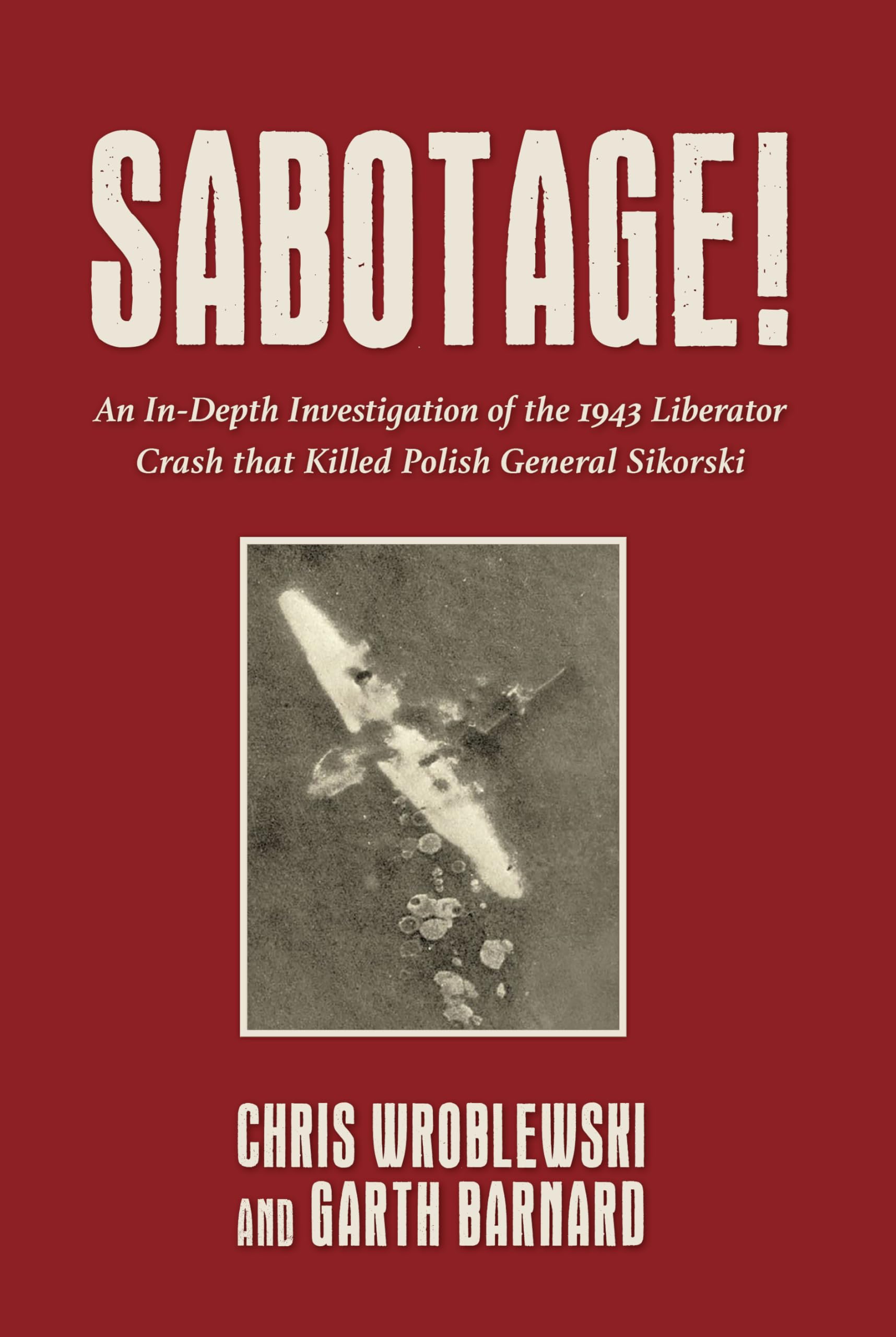
This is a lavishly illustrated and extensively researched examination of the circumstances surrounding the death of General Sikorski, the Polish leader in WW2. Sikorski was killed when the Liberator he was travelling in crashed on takeoff from Gibraltar in 1943.The accident is still controversial and emotive to this day; there are several outlandish conspiracy theories being widely expounded stating that either Churchill or Stalin ordered Sikorski’s death. The authors take a forensic look at the accident and dismantle all these theories one by one. The book is an exhaustive study into the various possible theories behind the accident and it is really a very easy read combining elements of a whodunnit combined with air crash investigation and a spy thriller!I won’t spoil the surprise for you but they successfully prove that one particular theory was both plausible and the most likely cause behind the crash. I really enjoyed this book and it deserves much wider acclaim and publicity than it has got to date - it is well written, interesting and exhaustive. Highly recommended!
J**N
Interesting claims, demolition of other theories, but scant evidence
The air crash at Gibraltar that killed General Władysław Sikorski on 4th July 1943 has been a significant what-if point in history ever since. The actual cause of the crash remains unclear and many conflicting stories of the events immediately before it, the possibility of sabotage and the motives for attempting to kill Sikorski have circulated.As the title indicates, this book is firmly on the sabotage side, and proposes a different method, which seems physically plausible. But from that point, it becomes weaker. Wroblewski is an experienced aircraft maintainer, and spends a lot of pages on his examination of plans and the models he built. But he did not visit any of the extant B-24 Liberators. Their owners would obviously never let him try the proposed sabotage method in flight, but examining the genuine article is different from looking at plans, and more convincing.His claimed saboteur is one Bronislaw Urbański, but the sole evidence that he did it is a claimed confession to his son, before his death in 1984. The motive is claimed to have been factionalism within the Free Polish forces, which certainly existed, but did it go as far as a plan to assassinate their head of state? The account of Urbański's movements during the war, especially his apparent return to occupied Poland after the death of Sikorski, are vague, at best.The book is not worthless, since it does good work on demolishing rival assassination theories, but the authors don't subject their own theory to careful examination.
Trustpilot
1 month ago
2 months ago
3 days ago
1 month ago