Some deliveries may take a little longer than usual due to regional shipping conditions.

DOWNLOAD THE APP


Customer Services
Copyright © 2025 Desertcart Holdings Limited
DOWNLOAD THE APP
Full description not available
K**Y
Great book
Whenever I can't find my school books from my school I by all of my books from Amazon. The hugest selection, quick delivery, and they recommend ones like it, which helps so much with my research.
M**-
Good read
Arrived new. Thank you.
A**D
Great Resource
This book is surprisingly lightweight for such a large, thick, hard-cover book! I am still working my way through it and enjoying every second of it. Very interesting! If you're into Christian Apologetics, you need this book.
R**R
Good source material.
A good compendium of original sources on apologetics.
W**T
This is a great collection of apologetic thinkers throughout history
Delivers exactly what it advertises. This is a great collection of apologetic thinkers throughout history.
S**S
Must have!
A must have for any apologists library, especially good for students.
A**S
A strong collection of primary sources
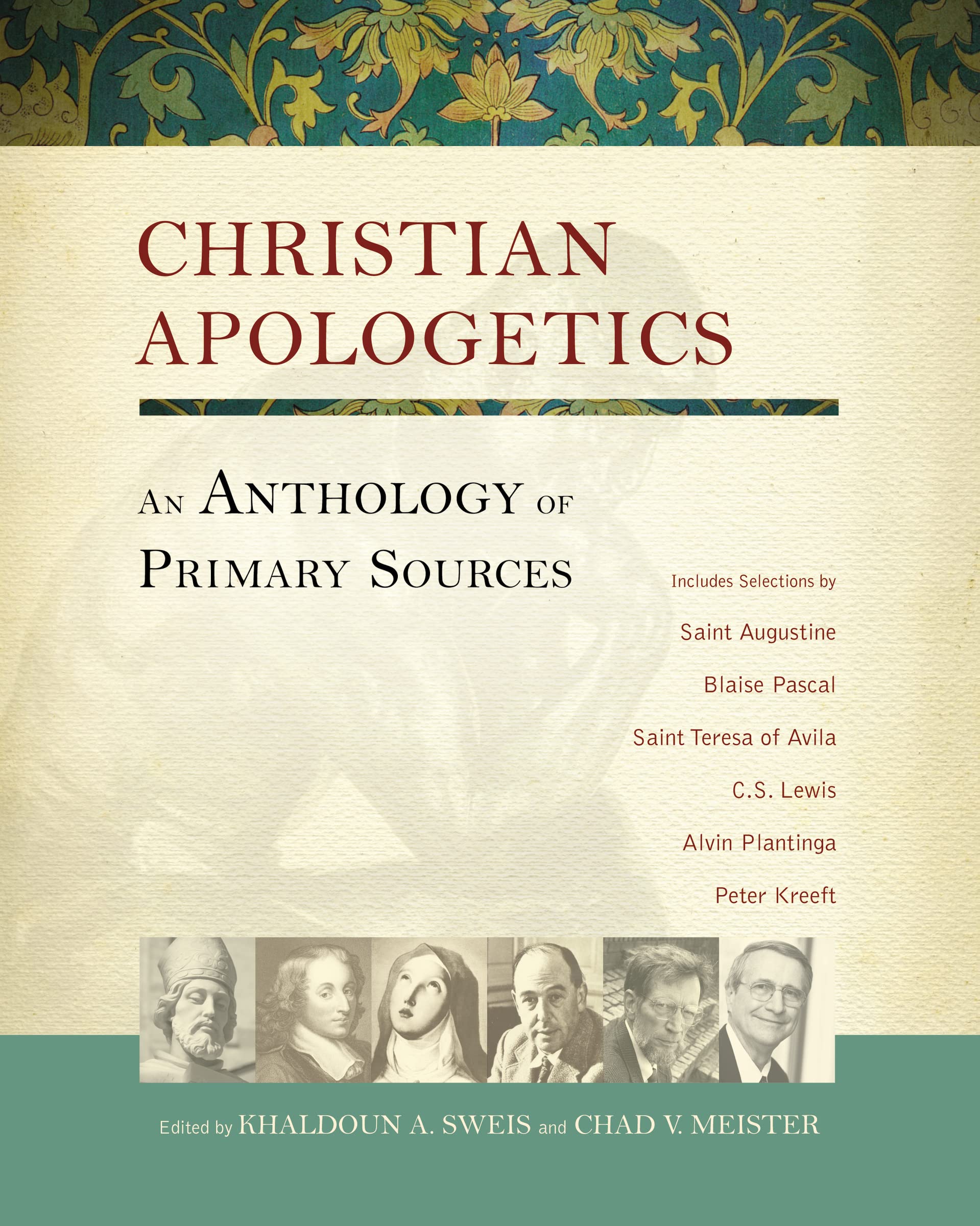
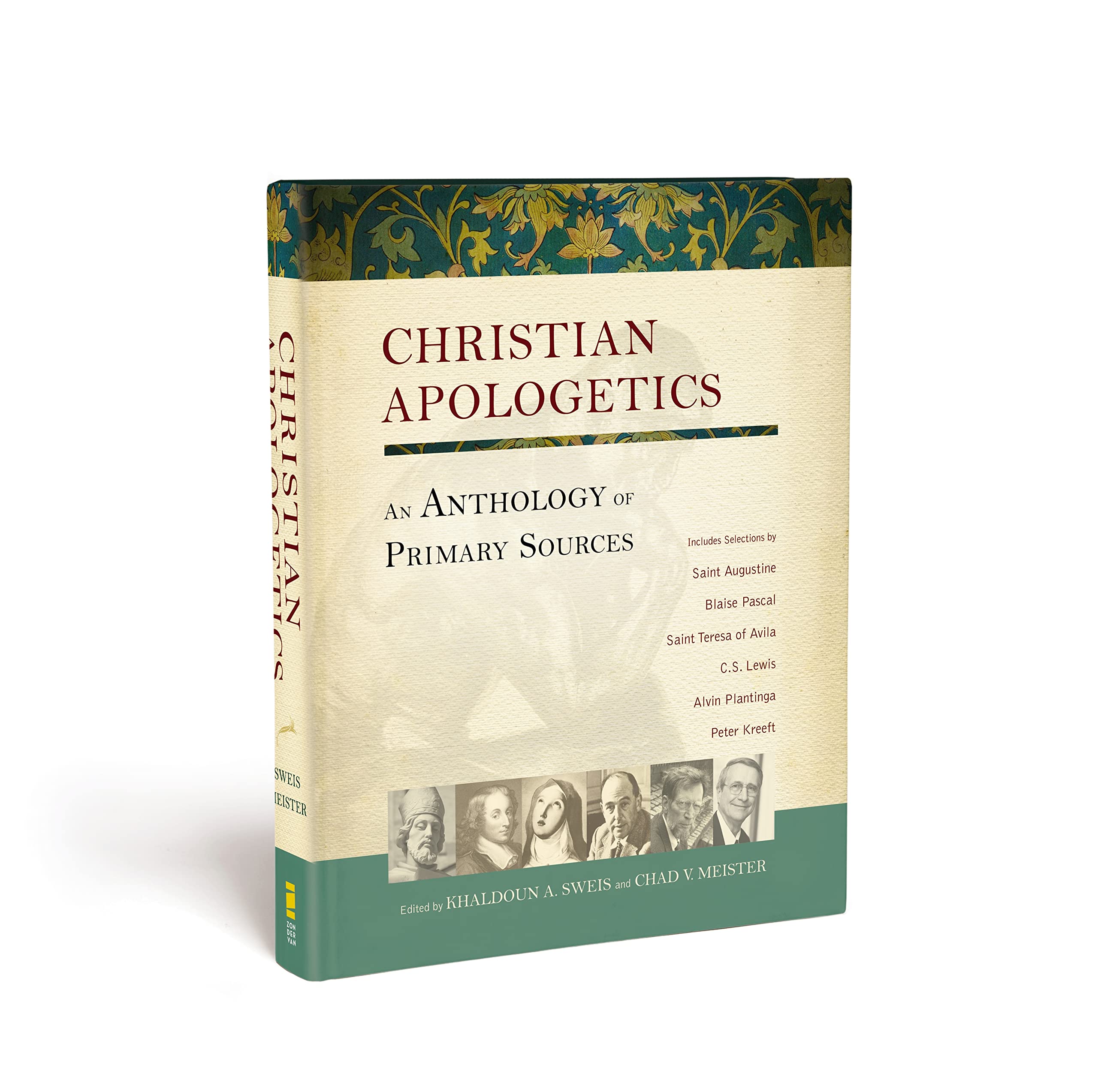
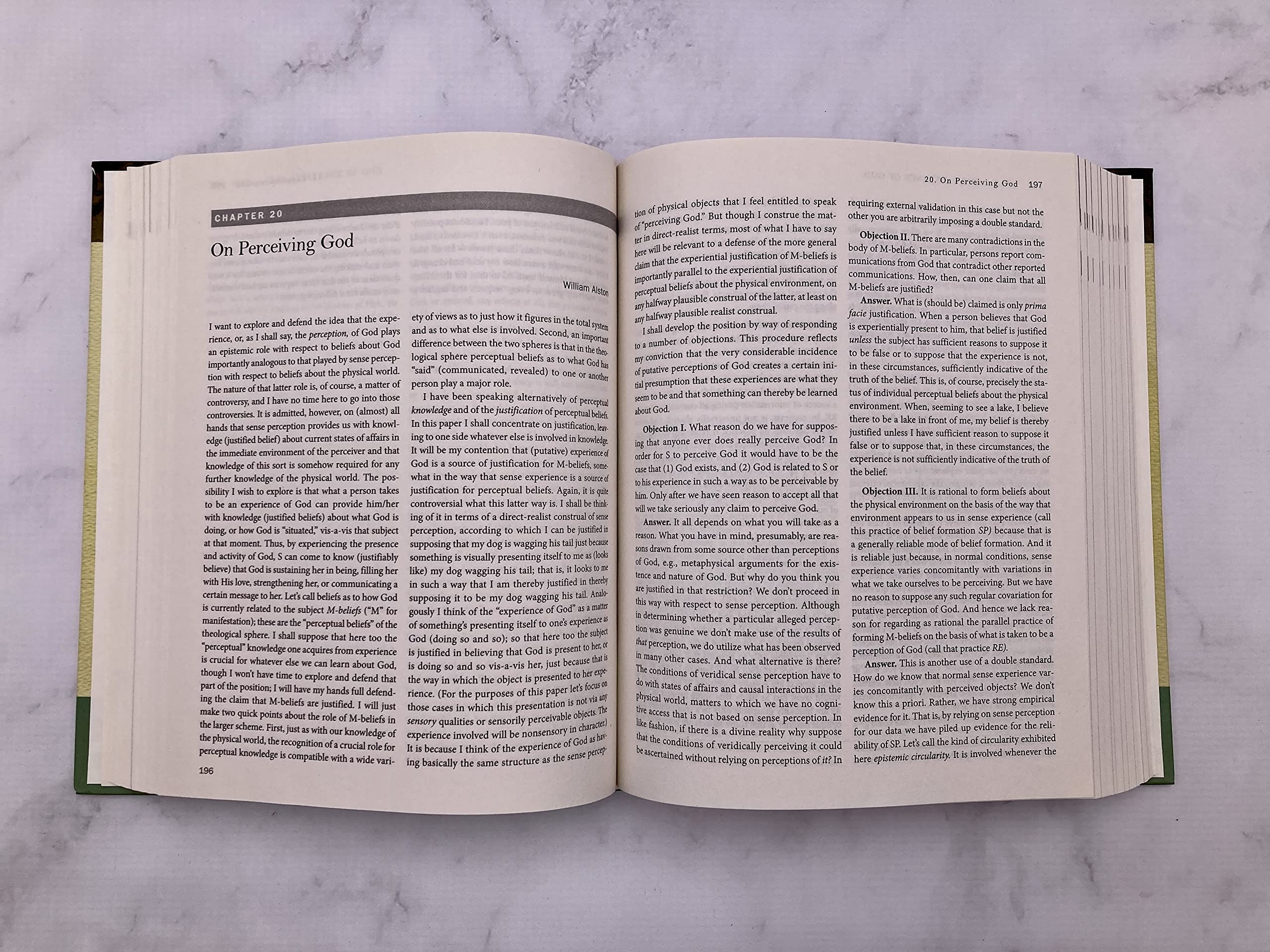
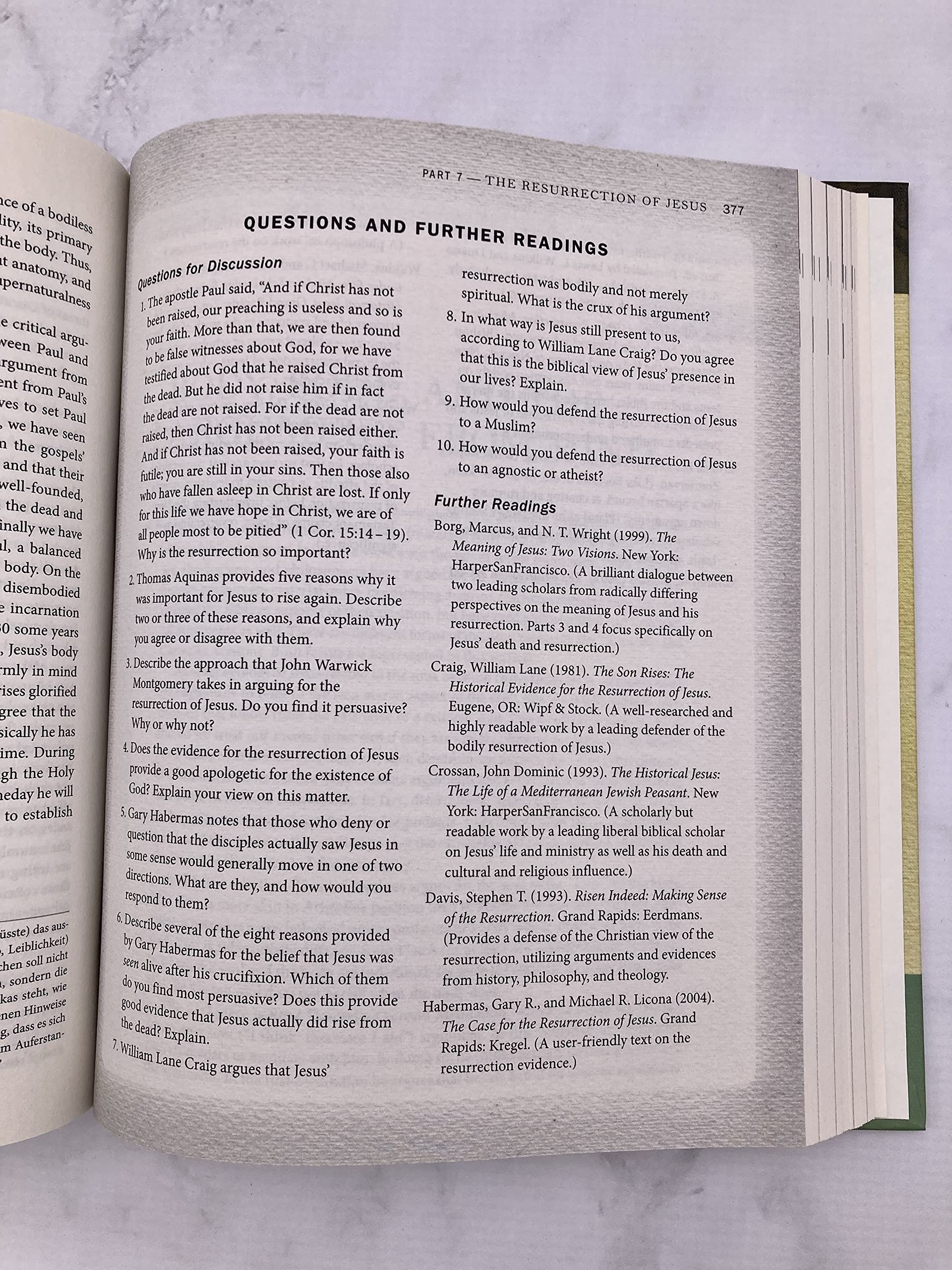
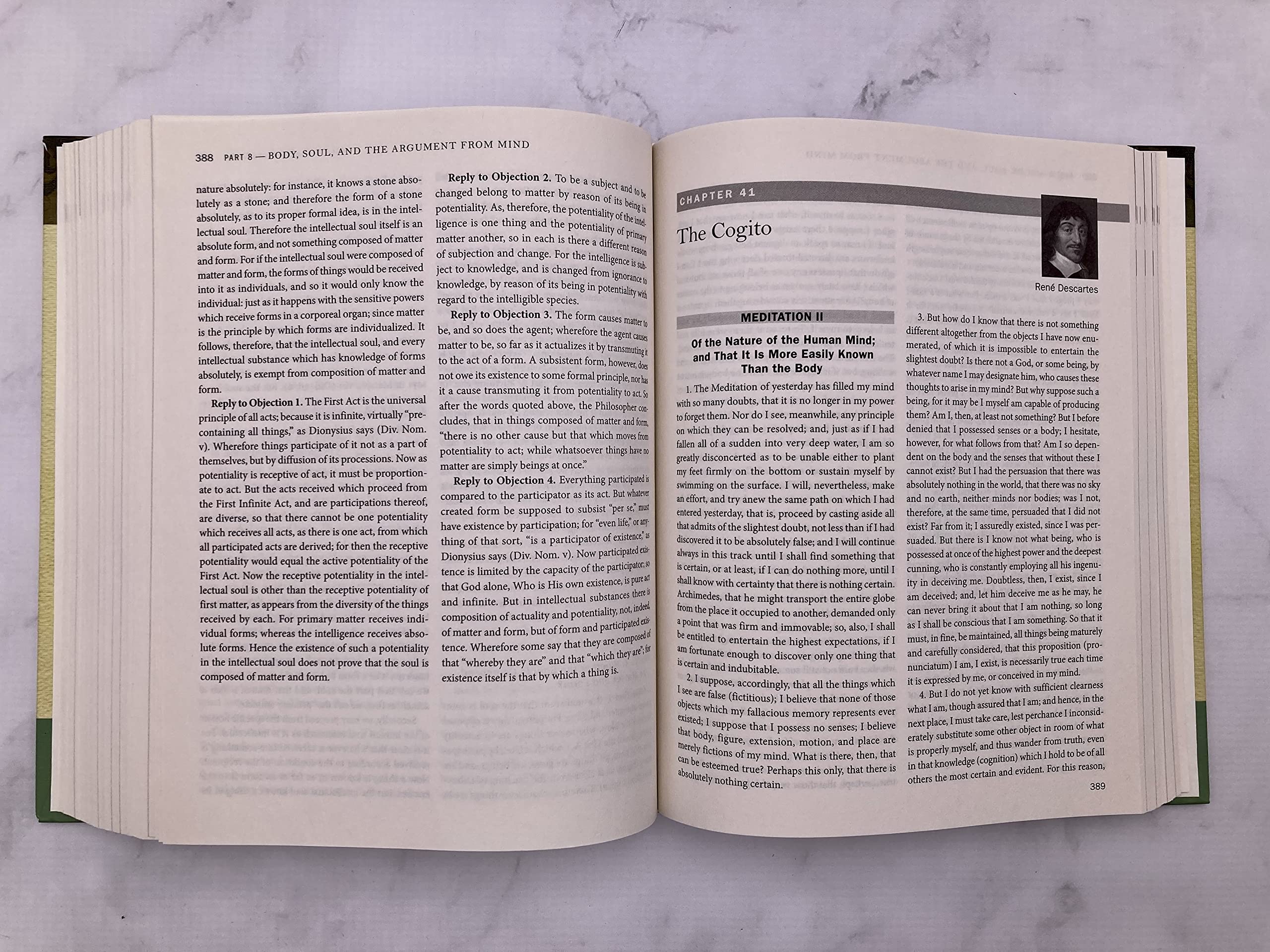
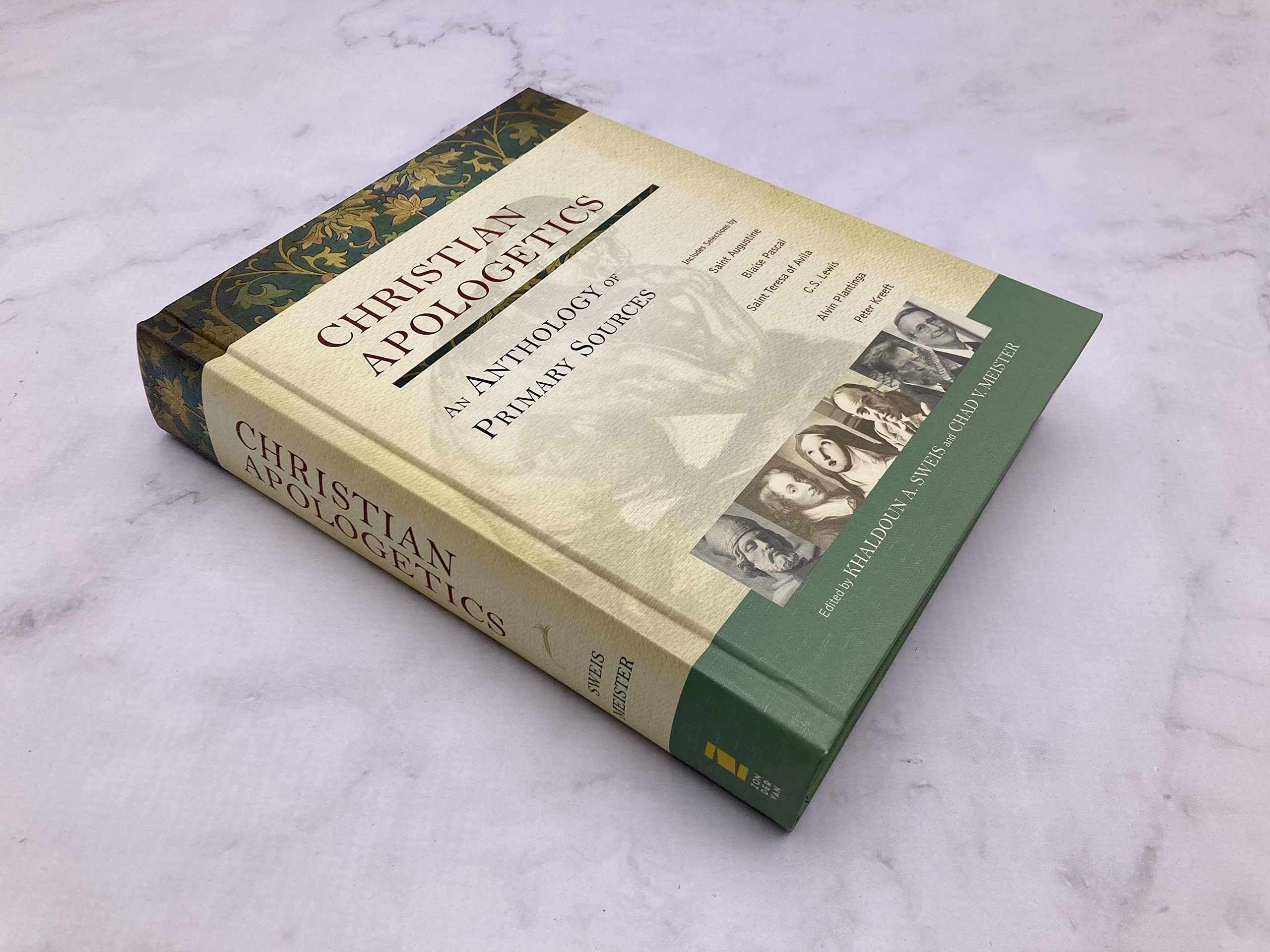
Zondervan has just put out a primary source compendium called Christian Apologetics: An Anthology of Primary Sources, edited by Khaldoun A. Sweis and Chad V. Meister.There are 54 selections divided into 11 parts. Christian Apologetics begins with some methodological considerations in part 1, then moves right into various arguments for the existence of God-cosmological, teleological, ontological, moral, the argument from religious experience, and so on. From there the book narrows to more specific topics like the Trinity, the incarnation, miracles, the resurrection, the problem of evil, and more.Christian Apologetics claims to be "a sampling of some of the best works written by Christian apologists throughout the centuries," offering "a snapshot of Christian apologetics at its best across the spectrum of time and culture."The essays in this volume certainly are some of the best in apologetics. There is Paul at the Areopagus in Acts 17, Aquinas on the cosmological argument for God's existence, Anselm and Plantinga with the ontological argument for God, Pascal's wager, Teresa of Avila on experiencing God, Anselm on the incarnation, Swinburne on miracles, John Hick's "Soul Making Theodicy," Augustine on free will, and Marilyn McCord Adams on horrendous evil and the goodness of God. Each of these essays is a classic and makes a valuable contribution to the area of apologetics.The book spans "the spectrum of time" fairly well, with a higher concentration of 20th century writers. Just a couple of the contributors are women, and the overwhelming majority hail from Western contexts-this latter an admission of the book, but a weakness all the same.A particularly pleasant surprise to me was the inclusion of an an article by R.T. France, in which he makes the case for the historical reliability of the Gospels, which must, he argues, be understood in their proper literary context as "highly selective" records of Jesus' life with "only a loose chronological framework." This is not due to deficiency of the Gospels; rather, it is how the Gospel writers intended to write:"The four canonical gospels will not answer all the questions we would like to ask about the founder of Christianity; but, sensitively interpreted, they do give us a rounded portrait of a Jesus who is sufficiently integrated into what we know of first-century Jewish culture to carry historical conviction, but at the same time sufficiently remarkable and distinctive to account for the growth of a new and potentially world-wide religious movement out of his life and teaching."As I read I appreciated a statement in the book's general introduction:"But arguments and evidences do not of themselves bring someone into new life in Christ. Here the work of the Holy Spirit is central, and we must be willing to surrender to his leading and his truth and his goodness if we are to truly dwell with the Lord."I had hoped to hear more in this book about the role of the Holy Spirit in apologetics. There is a short (one paragraph) treatment by James K. Beilby in chapter 3 that asks, "What is the role of the Holy Spirit in apologetics?" He rightly (in my view) sees it as "not a zero-sum game." The apologist should be "significantly involved" yet "still hold that the Holy Spirit will determine the effectiveness of our efforts."Though the Holy Spirit receives treatment in the section on the Trinity (by Origen, Aquinas, the Creeds, and Thomas V. Morris) and on the Bible (Calvin and canonization), there is never more than Beilby's paragraph treatment about the role of the Holy Spirit in the project of apologetics. Cogent though Beilby is, I would think "a snapshot of Christian apologetics at its best" should make more mention of something like the Wesleyan view of prevenient grace or even the notion that the Holy Spirit witnesses to a person's heart before an apologist does. Only the former can enable the latter. Christian Apologetics is not without the exploration of other methodological considerations; I just would have liked to have seen more of this one.Several other possible areas for improvement in a future edition could be more on faith and reason and how the two interrelate, as well as arguments for the existence of God that take into account and respond to the varous assertions made by the "new atheism" (anemic though it is).All in all, though, this is a strong work, and I'm happy for it to sit alongside my old college text, Readings in the Philosophy of Religion. Zondervan's Christian Apologetics is a worthy, if basic, reference guide. I expect it will serve apologists well.Thanks to Zondervan for the review copy, which I was given for the purposes of review, though without any expectations as to the nature of my review.
M**D
An excellent faith tool
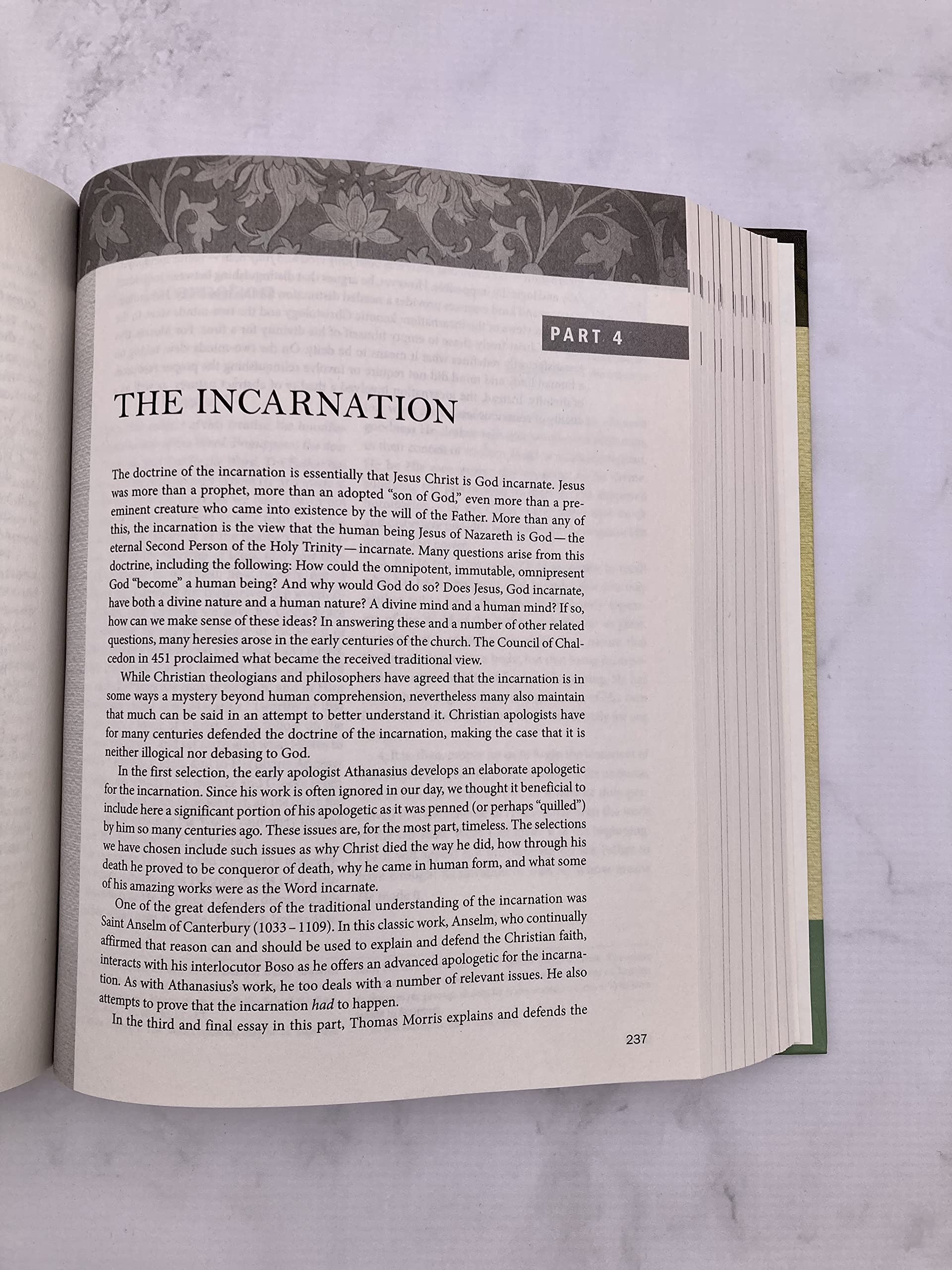
I have heard the term `apologetics' for years and though many people have tried to explain what the term meant I never understood until I read "Christian Apologetics" Edited by Khaldoun A Sweis and Chad V. Meister. What I have learned in a nutshell: Christian apologists have been around for quite a while it simply is the defense of Christianity.In reading "Christian Apologetics" I understand its' significance in spreading the gospel. Chapter three explained the "Varieties of Apologetics" which gave me a better appreciation of the different Denominations as well as better understanding as to how false doctrines could develop. As a small group leader in my church this book has given me greater insight into the various faith doctrines.If you have never read a book such as "Christian Apologetics" there might be some reluctance. However, the information presented is easy to understand and will not be overwhelming. It is divided into functional parts with chapter subdivisions which allow an individual to leisurely read.The Parts are as follows: History, Methodology, and Engagement; The Existence of God; The Trinity; The Incarnation; The Bible; Miracles; The Resurrection of Jesus; Body Soul, and the Argument from Mind; The Problem of Evil; Christianity and Science; and Christianity and the World. Each of these categories contains information believers need to know.I recommend this book.I received a complimentary copy ebook from the publisher via Net Galley in exchange for a fair review.
Trustpilot
4 days ago
2 days ago
2 weeks ago
1 month ago