
DOWNLOAD THE APP


Customer Services
Copyright © 2025 Desertcart Holdings Limited
DOWNLOAD THE APP
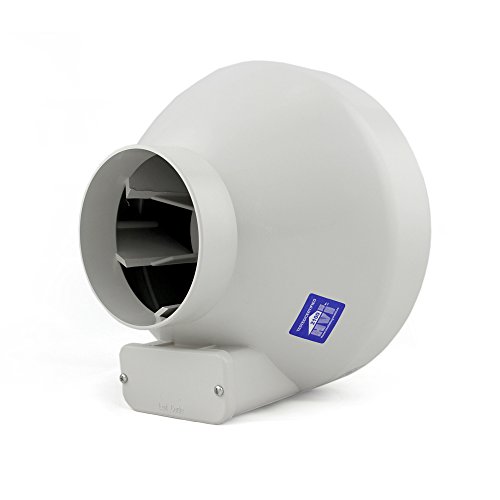
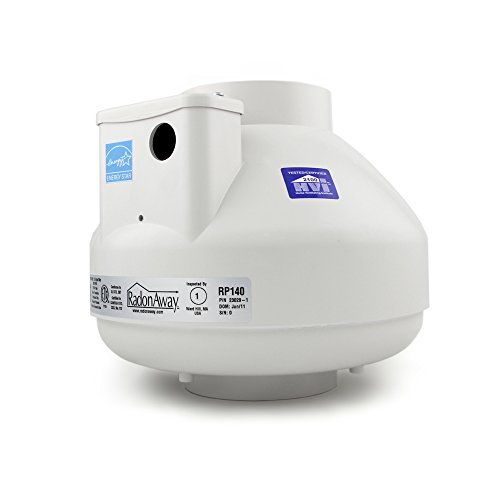
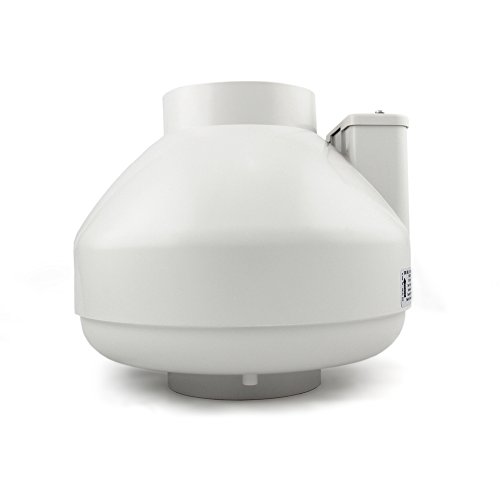
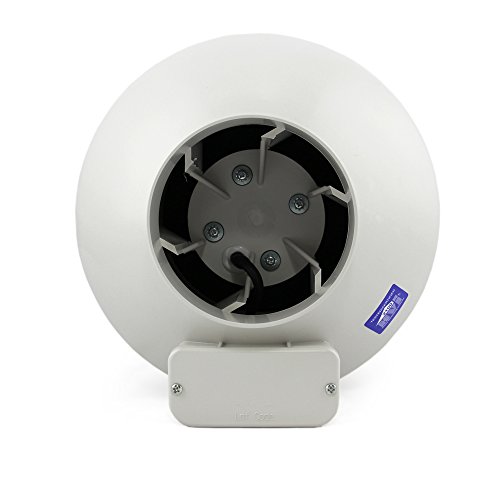


🌬️ Breathe easy, live smarter — radon protection that works silently and efficiently.
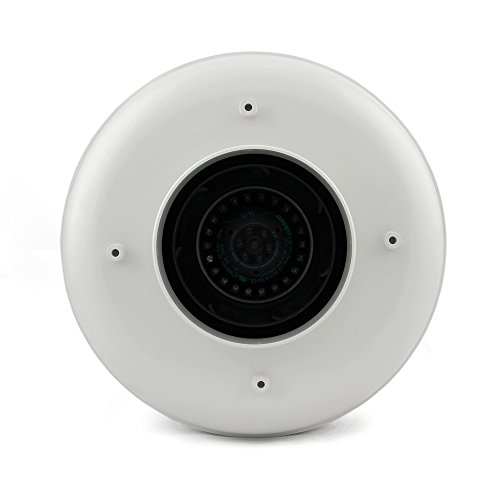
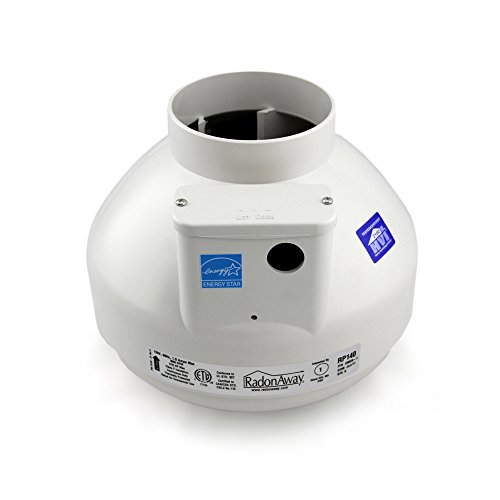
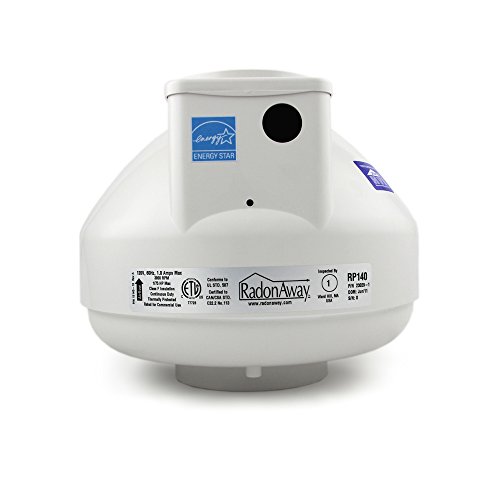
The RadonAway RP140 is a 4-inch radon mitigation fan designed for both residential and commercial use. It features an energy-efficient, thermally protected motor with a water-hardened impeller and sealed seams to prevent radon leakage. Ultra-quiet operation and compliance with all electrical codes make it a top choice for effective, low-noise radon reduction.


| ASIN | B00294S5XO |
| Best Sellers Rank | #13,508 in Tools & Home Improvement ( See Top 100 in Tools & Home Improvement ) #24 in Household Ventilation Fans |
| Blade Length | 4 Inches |
| Brand | RadonAway |
| Color | White |
| Control Method | Touch |
| Date First Available | May 20, 2009 |
| Efficiency | energy efficient |
| Electric fan design | Blower |
| Global Trade Identification Number | 00667829230294 |
| Included Components | Fan |
| Indoor/Outdoor Usage | Indoor |
| Is Discontinued By Manufacturer | No |
| Item Weight | 3.9 pounds |
| Item model number | RP140 |
| Manufacturer | RadonAway |
| Model Name | XP201 Pro Series |
| Power Source | AC |
| Product Dimensions | 11"D x 12"W x 12"H |
| Recommended Uses For Product | Indoor |
| Size | RP140 |
| Style | 135 CFM |
| UPC | 667829230294 |
| Voltage | 120 Volts |
S**.
Levels went 17 to 2 in a short time
This kit works amazing. Its very quiet. My raydon levels were at just above 17. It has been running for about 9 hrs now and my levels have dripped to 2.4 and seems to be going downward more. I did the install myself and it is very easy. If you are handy at all you can do this installation. I also used the jackal sump pit cover.
B**S
Good product
Quite and easy to install.
S**4
Super easy swap out with dead fan
Perfect replacement for my 2018 Festa AMG Maverick. Easy to swap out, kicked right on, manometer confirmed it was working. Radon test performed a week later confirmed safe levels. Saved tons of money by swapping out myself!
M**E
DYI
Hubby installed this and it’s working great! Our radon test went from 7.8 to .24!!! He has yet to seal it to the floor so we are getting a little seeping in from the cracks but an acceptable reading is anything under 4, so we are super happy! We saved tons of money watching YouTube videos and did it ourselves!
B**H
Easy Replacement
My old RP140 died after 5 years. The last 2 years of its life, it became loud and annoying when I was seated in the room alongside where the fan was mounted outside. In the winter time it was especially loud. It was obvious it was dying. The new one fit perfectly in place of the old one. After shutting off the breaker to the fan, I unscrewed the wire casing and detached the wires from the electrical line. I had PVC clamps holding the fan on at both ends, so once I loosened those I was able to jimmy the fan out from the PVC pipes. A quick replacement of the clamps, rewiring to the electrical line, and it worked like a champion. Replacing a fan in an existing system is probably a 15 minute job if you're home improvement savvy, but still only about 30-40 minutes even if you're not. The new fan is quiet and produces a steady, low airflow. The old fan reduced my radon from 8-11 pCi/L in most places in my basement to 0.8-1.5 pCi/L. Unfortunately, because the electronic radon monitor I have requires re-calibration every year, I don't have a reliable test to check my current levels with the new fan installed. For most homes, this fan should suffice to reduce your radon below EPA recommended levels. However, if your home has very high levels of radon, you might want to opt for a higher airflow fan (such as the RP145), as in a mitigation system, it will suck more of the air from your drain tiles and the soil surrounding your foundation. Bear in mind that the EPA states that any level of radon is capable of giving you lung cancer, but the level where the EPA recommends action is currently 4.0 pCi/L (changed from 8.0 just a handful of years ago). Because the old unit barely lasted 5 years, I couldn't give this 5-stars. I'm hoping the new unit lasts much longer. If you are concerned about your radon levels, test your home. There are cheap test kits out there, and more expensive electronic kits. Or you could call a professional home inspector out to use a professional device. If your radon levels are above the EPA recommended level of 4.0 pCi/L, then you should probably install a mitigation system. However, the two companies that originally came out to give me a radon mitigation estimate both seemed like fly-by-night, unshaven 19-21 year old scam artists that got into this business because it was super profitable, as they charged $1200 in 2008 to install the whole system in an hour and a half (I had the former homeowners pay for it as a condition of buying the house). What does the whole system involve? They sealed the sump with clear acrylic that you can buy at any big box hardware store, and they installed a path of PVC pipes expelling the air out above the gutters of my home with this fan in the middle of it, producing the airflow. That's it. In 2008 there wasn't much regulation for it, and maybe that's changed now and these companies require licensing, etc. But for what they did, any handyman or do-it-yourselfer could do for MUCH less. Disclaimer: Please do not take my review as professional advice. I'm just your average homeowner.
A**.
[READ] Time-Saving Information Below
If you are replacing an old radon fan or have a newer home, with a passive random system already (e.g., a pipe leading from the sub-slab of concrete through the attic and to the roof), along with a pre-installed electrical outlet in the attic, then this is a fairly simple project to do yourself. The RadonAway 145c is the most commonly used fan. It has moderate suction, and it is ideal for gravel and concrete slab basements. Below is a variety of information pertaining to installing the RadonAway 145c and more: Get a radon detector that measures a weekly average because radon can vary greatly throughout the day and week. I have the AirThings radon detector from Amazon. I had a second one and the readings were the same, so at least the reliability is good. Get a RadonAway manometer to test the suction of your radon fan. This will ensure the fan is working well and there are no leaks in the system. For installation, search “Installing And Understanding Radon Mitigation System Manometer” by Heathy Air Solutions on YouTube. However, ensure you drill the hole in the pipe about two inches lower than the top of the manometer. Also, when you get the manometer, it might not be even on both sides or set to 0. Don’t worry because it adjusts by sliding up and down. As for it not being even on each side, that is also normal. It will even out once you take the tube stoppers off the top of either side. As for installing the fan, here are the steps I used: 1. Get all the supplies: radon fan, 2 pipe-to-fan connectors/couplings (the 145c model has a 4” connection size and my radon system pipe was 3”, so I got 2 Fernco 3”-to-4” couplings), electrical cord (HomeAire (AKA RadonAway) Power Cord Kit - 6 foot on Amazon will get the job done) [yes, it does not come with a power cord for some reason], PVC hand saw or fine-tooth sawzall, razor for reaming the inside of the pipe after cutting (optional), file for filing the edges of the PVC after cutting (optional), and flat-head screw driver or socket wrench for tightening the coupling. 2. If applicable, and the pipe goes to the attic, install in the attic, not the basement. 3. For installing the power cord, your fan might have two or three wires for the electrical. According to an Amazon answer by RadonAway, either way is fine, and it just depends on which manufacturing facility produced it. However, the power cord has three wires. If your fan only has two, then just cap the third one on the power cord, the green/ground wire. 4. Test the fan by plugging it in prior to going up in your attic. Shake it to ensure nothing is loose or trapped inside the fan. 5. Affix the coupling to the fan on both ends prior to heading into the attic. 6. Take all your supplies to the attic. 7. Cut the pipe. I cut out a 11.25” chunk of pipe because the total length of the fan and the couplings was 14.25”. Then, I subtracted 1.5” for each end of the coupling. 8. [OPTIONAL] File the outer rim of the pipe on both sides. 9. [OPTIONAL] Using a razor or reaming tool, ream the inner rim of the piper on both sides. 10. Plug the fan in, then check your manometer to ensure it has proper suction. The max should be about 1.75, and mine come out to 1.25. As for the sound, it has a fairly mild humming, even through the ceiling, but you will get used to it in no time. I sleep with a sound machine, and at worst, it just adds to that noise. I hope this helps and saves you some time!
E**Y
RadonAway
This radon pump is relatively quite, small, has good airflow, easy to install and a good value for the money.
H**S
Excellent product non stop working no issue whatsoever.-
V**E
Well it's was pretty easy to install and works wonderfully. It's not noisy at all and does the job by taking care of the radon gas in our house. We had relatively low radon gas like you can see our worst week was 120bq/m3. We had a pretty warm winter this year in ON, 🇨🇦. It's probably not representative from other years and we probably had way more than this year. My husband was coughing all the time because he was mainly in the basement either working on his computer or sleep because he often work nights shift. The highest we had during the day was 189 bq/m3 this year and I heard him cough none stop. Since we installed the radon fan he stopped completely cough when he is in the basement. On another note, like I said it was relatively easy to install but we had more issue to find the accessories and materials to build and install it correctly. We live in ON, Canada in a city where we have the highest level of radon but yet no one's knows about radon side effects on their health. It's like talking about a unicorn when ask help in store with materials or advice. So, we needed to watch a lit of YouTube and Google about how to install it. This fan quoted one of the best one from our research. Also, from professional and reliable sources we decided to install it outside because if you have any issue or it's breaks you might have leak on high radon gas inside your house especially if you install it in the basement. I would suggest if the weather his really bad and cold like Manitoba or Alberta to install it in the attic of the house and never in the basement like I see many companies does in ON. Bottom line, we are really satisfied and now we will make sure to patch up some minor crack to our basement floor and sealed it with radon sealer epoxy. We need to better find a way to also sealed our sump pump because again it's really hard to find in Canada a well fitted radon sump pump cover without paying 300$ on Amazon. We spent easy 1000$ just in materials to install it because we have no manufacturer who produce radon fan in Canada. Thank you and we are really satisfied with our radon fan. One more thing maybe providing a nice plan how to really install it would be nice. So, people don't pass hours to find how to install it.
C**S
This fan is very quiet, making it perfect for indoor use. If you are a Canadian with a smaller house, who is looking to install a Radon mitigation system, and still want to keep your basement quiet, install one of these! I initially bought a RP145 fan, but that one was pretty noisy to my surprise. Then I decided to try this one (RP140). Even though a RP140 is less powerful than a RP145, it still does the job and brought down my average weekly Radon levels from 150 bq/m3 to just under 15! FYI, I live in a 1500 sq ft townhome that was build in 2021. Pros: - Very quiet - Max power at 20W - Light weight - Suitable for porous sub-slab (gravel or lose soil under concrete slab) Cons: - Does not work properly when connected to generic duct fan controllers - Not powerful enough for larger homes ( > 1600 sq ft) - Not powerful enough for non-porous sub-slab types (e.g. solid clay)
N**A
I recently installed the RadonAway RP145c Radon Fan (P/N 23030-1) in my basement mechanical room, and it has delivered outstanding results in reducing radon levels. Our long-term average was around 300 Bq/m³ and within 24 hours of running this fan, the readings dropped to single digits. The 7-day average is now about 10 Bq/m³ and still trending downward. It's been a huge relief for my family. The fan is highly effective, and seems built to last, with sealed seams and a water-hardened, thermally protected motor. However, it’s not as quiet as advertised. There’s a noticeable hum or vibration, especially when installed indoors. If you plan to install it in your mechanical/electrical room, I strongly recommend adding soundproofing to the walls of that room — it can help reduce noise carrying into adjacent living areas. This isn’t a “must-have” for every home, but if your radon levels are high, this fan is the one. Just be aware of the noise factor and plan your installation accordingly.
R**H
This is a short term review (2 weeks use). Unit works great. Had Radon levels averaging 300-350 bq/sqm, installed a discharge vent pipe without fan (passive system) which sadly did pretty much nothing. Once this unit was installed, I let the detector (Air things, amazing unit too) run for over a week to calibrate and give a proper average since Radon level sometimes have great variations. The average over 2 weeks is 15-20 bq/sqm now. Looked around a lot and it is the only unit I've found that seem to have North American certifications and the unit is really well built, not something you'd look at and think "meh it looks cheap so let's hope it work...". At first when I turned it on I thought it was loud, but the unit was really in my face, took 3 steps back and down the ladder, really not bad. Closed the door of the mechanical room and we can't hear it at all anywhere in the house even at night. It's quieter than the well pump, air exchanger and AC/heat pump (and much more quieter than our fridge!). It is important to note it doesn't come with any accessories : no rubber couplings/clamps (4 inches), no power cord/socket grommet or negative pressure reader/meter. It doesn't have any LED or on/off running indicator, you just have to get close to it to hear the humming once plugged (or hardwired, your choice) or install a pressure meter separately. The unit I received only has 2 wires (no ground) instead of 3, which apparently is normal and ok as it is wired that way according to other users and manufacturer's manual. Some people mentioned receiving 3 wires unit which must either be newer/older models I guess, maybe different motor suppliers..? As long as it is internally wired properly, doesn't matter as you have to supply the power cord yourself, so buy the right wire accordingly. Will try and do a long term EDIT in time.
Trustpilot
3 weeks ago
2 days ago