ON WRITING (REISSUES)
Product ID: 75938147
Buy anything from 5,000+ international stores. One checkout price. No surprise fees. Join 2M+ shoppers on Desertcart.
Desertcart purchases this item on your behalf and handles shipping, customs, and support to Denmark.
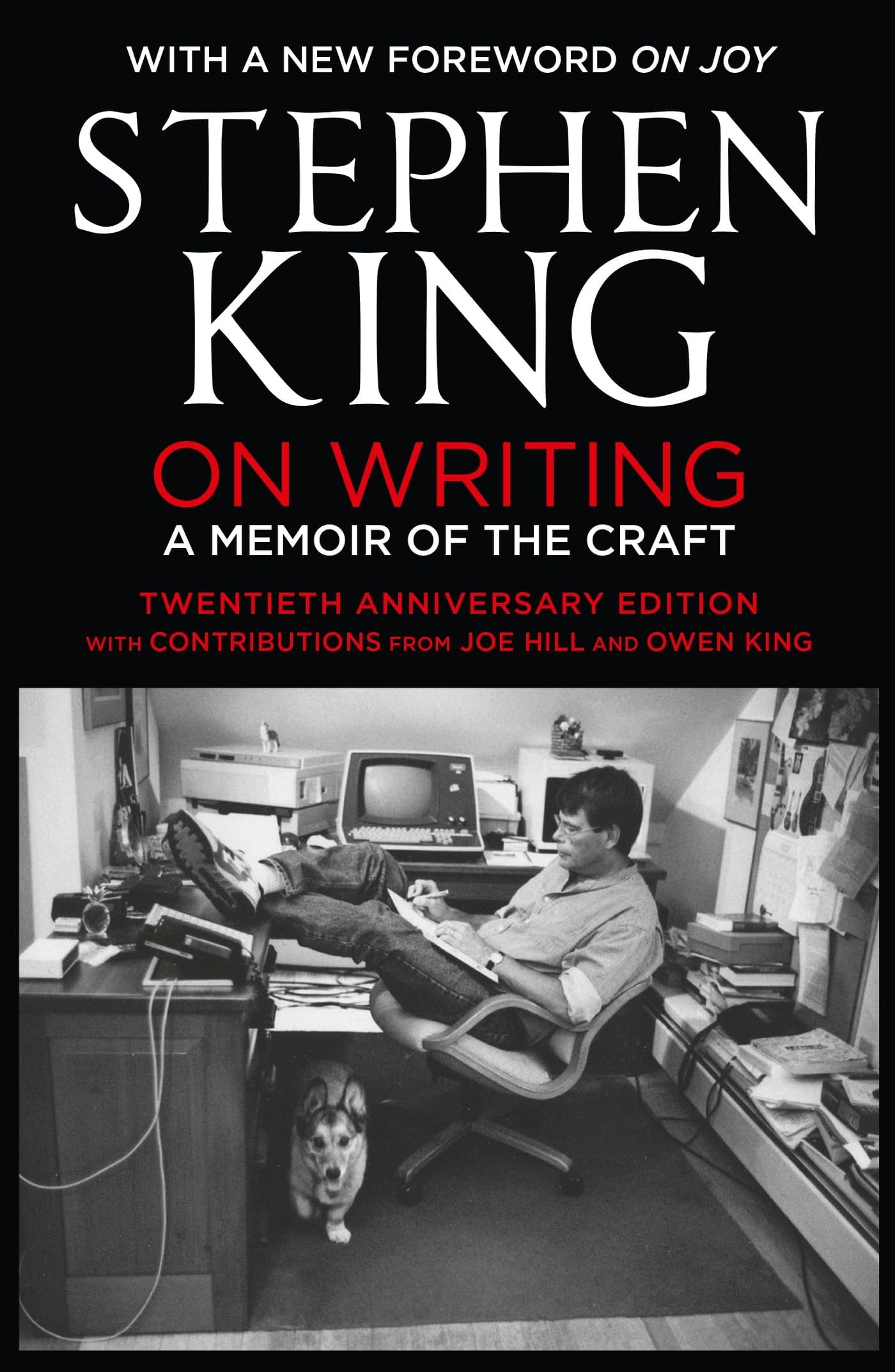
There is a reason why Stephen King is one of the bestselling writers in the world, ever. Described in the Guardian as 'the most remarkable storyteller in modern American literature', Stephen King writes books that draw you in and are impossible to put down.Part memoir, part master class by one of the bestselling authors of all time, this superb volume is a revealing and practical view of the writer's craft, comprising the basic tools of the trade every writer must have. King's advice is grounded in the vivid memories from childhood through his emergence as a writer, from his struggling early career to his widely reported, near-fatal accident in 1999 - and how the inextricable link between writing and living spurred his recovery. Review: Provides practical help and spiritual reassurance needed to nurture a writing life - In his seminal memoir/writing guide On Writing, Stephen King allows readers an unprecedented glimpse into the experiences and disciplines underlying his prolific career through over five decades. Published in 2000, the book interweaves King’s personal story of becoming one of history’s most successful authors with generous wisdom for aspiring writers. It chronicles his journey from unknown writer subsisting on meager earnings to literary superstardom in intimate detail. With heartfelt humor and humility, King outlines the crucial life events, raw talents, and relentless work ethic that enabled him to craft over 60 revered horror and suspense novels, sell over 350 million books, and achieve pop culture icon status. While acknowledging individual creative brilliance cannot be replicated, On Writing insightfully demystifies Stephen King’s methods and reveals his approach to the craft as an act of joy and discovery. Beyond concrete tips, it captures King’s sincerely held belief in writing fiction as a spiritual calling that confers lifelong meaning, not mere acclaim. The memoir portion of On Writing tracks Stephen King’s development from childhood origins through decades of refining his signature horror, fantasy, and supernatural fiction style. In descriptive anecdotes, King pinpoints childhood experiences that sparked his prolific imagination, from adolescent discovery of iconic science fiction and horror creators like H.P. Lovecraft to real-life brushes with death that left an imprint. He traces his earliest beginnings—scribbling short stories on a stolen typewriter—to first getting published in a horror fanzine. King outlines his initial years enduring constant rejection and relying on part-time jobs to scrape by as he slowly forged his unique literary voice. With self-deprecating humor, he confesses it took submitting a story over thirty times before making his first professional magazine sale. Candidly, King also delves into periods of severe substance abuse and personal issues that nearly destroyed his burgeoning career. He is transparent about significant gaps in his memory and output during the 80s due to drug and alcohol issues. King poignantly describes the interventions by family and friends that finally prompted him to get sober, as well as his regret over lost time and productivity. By frankly recounting his struggles, he humanizes the pressures of dealing with spectacular literary success at a young age. King also reflects thoughtfully on the wealth of life experience, both joyful and traumatic, that he channels creatively into his prolific output. Scenes from his Maine upbringing, relationships, parenting, and interests pepper the narrative, affirming how he transforms the mundane into the thrillingly bizarre. Throughout the memoir, King repeatedly underscores that the impetus for writing comes from within, not a quest for fame or riches. He traces his irresistible urge to write fiction back to childhood delight in imagining stories, even before aspirations of being a published author entered the picture. King asserts that he writes compulsively simply because the act brings him happiness and a sense of purpose. In beautifully philosophical passages, he describes writing as a spiritual journey of exploration, both of the human condition and his own subconscious preoccupations. According to King, good fiction originates from curiosity, wonder, and emotional honesty rather than commercial motives. He emphasizes embracing creativity for self-fulfillment first, then refining work to resonate for readers. The second half of On Writing distills the pragmatic lessons Stephen King learned over decades of trial and error into an accessible writing guide. While acknowledging innate talent and inspiration can't be systematized, he offers plenty of concrete suggestions for improving any writer's craft. King stresses that above all, consistent dedication and work ethic separate serious writers from dabblers waiting on inspiration. He advises diligently building writing routines: daily sessions of two to three hours, minimum word count targets, and treating writing like any other job. According to King, volume and repetition are key regardless of mood or muse. He urges writers to power through a first draft without excessive self-editing to get the raw story down on paper. Sensory details, lively dialogue, varied sentence structures, and ruthless editing are other skill areas he covers. King goes beyond nuts-and-bolts techniques to passionately celebrate writing fiction as a noble pursuit driven by intuition, imagination, and childlike curiosity. He urges writers to explore the primal human need for storytelling, beyond surface commercial motives. King sees fiction as a unique path to emotional truth and wresting meaning from chaos. He becomes almost evangelical in advocating fiction writing as a path to purpose and lifelong creative development, regardless of public validation. Throughout the guide portion, King pushes writers to mine their own experiences, quirks, and passions for material, rather than chasing trends. He sums up his advice as: “Write what you like, then imbue it with life and make it unique by blending in your own personal knowledge of life, friendship, relationships, sex and work.” Accessible and generously insightful, On Writing continues to resonate with both aspiring authors and general readers over two decades after publication. Beyond a simple writing manual, it offers unprecedented access into the brilliant, yet utterly human, mind behind some of modern fiction’s most iconic works. For writers, the memoir provides inspiration through King’s stories of early struggles, while his concrete tips provide a flexible toolkit. For fans, it provides a fascinating glimpse at the peculiar obsessions, quirky rituals, and redemptive habits underlying his creative output. Most rewardingly, On Writing explores the purposeful role of fiction writing in processing life’s chaos and horrors into meaningful narratives. Both memoir and guidebook, it reveals the alchemy of raw talent, dogged work ethic, personal experience, and joyful wonder that King channeled into a legendary career. Any reader comes away thoroughly convinced of his assertion that “writing is magic, as much the water of life as any other creative art.” In summary, On Writing by Stephen King remains an unparalleled classic of the writer’s memoir/guide genre by elucidating the many facets behind constructing compelling fiction. King’s intimate wisdom and transparent voice inspire through combining earnest memoir, pragmatic advice, passion for the craft, and philosophical insight. Beyond the secrets of his success, it captures the all-consuming personal fulfilment King derives from writing as his creative outlet. For authors in any stage of development, On Writing provides both practical help and spiritual reassurance needed to nurture a writing life. Two decades later, newer generations of writers continue looking to the book as an essential roadmap and motivational touchstone. More than any formula, they take away King’s guiding principle: dedication to the daily writing journey itself ultimately matters more than any singular work or external measure of achievement. Review: Phenomenal work for budding writers like me. A must read of Stephen King - Stephen King has written his memoir about writings. Any writer aspiring to become a good novelist, as king is a plantser, meaning one who goes to his library/ workstation and just begins to write without thinking of a plot, etc. It happens, 'he says'. I particularly liked the second section where he has given a guidance on writing techniques for budding and established novelists too. He is one guy whome I love the most. He's blunt when he writes and yet is compassionate at times. Nilesh Chogle


| Best Sellers Rank | #93,347 in Books ( See Top 100 in Books ) #21 in Writing Guides (Books) #230 in Words, Language & Grammar #330 in Biographies & Autobiographies (Books) |
| Customer Reviews | 4.6 out of 5 stars 15,971 Reviews |
M**L
Provides practical help and spiritual reassurance needed to nurture a writing life
In his seminal memoir/writing guide On Writing, Stephen King allows readers an unprecedented glimpse into the experiences and disciplines underlying his prolific career through over five decades. Published in 2000, the book interweaves King’s personal story of becoming one of history’s most successful authors with generous wisdom for aspiring writers. It chronicles his journey from unknown writer subsisting on meager earnings to literary superstardom in intimate detail. With heartfelt humor and humility, King outlines the crucial life events, raw talents, and relentless work ethic that enabled him to craft over 60 revered horror and suspense novels, sell over 350 million books, and achieve pop culture icon status. While acknowledging individual creative brilliance cannot be replicated, On Writing insightfully demystifies Stephen King’s methods and reveals his approach to the craft as an act of joy and discovery. Beyond concrete tips, it captures King’s sincerely held belief in writing fiction as a spiritual calling that confers lifelong meaning, not mere acclaim. The memoir portion of On Writing tracks Stephen King’s development from childhood origins through decades of refining his signature horror, fantasy, and supernatural fiction style. In descriptive anecdotes, King pinpoints childhood experiences that sparked his prolific imagination, from adolescent discovery of iconic science fiction and horror creators like H.P. Lovecraft to real-life brushes with death that left an imprint. He traces his earliest beginnings—scribbling short stories on a stolen typewriter—to first getting published in a horror fanzine. King outlines his initial years enduring constant rejection and relying on part-time jobs to scrape by as he slowly forged his unique literary voice. With self-deprecating humor, he confesses it took submitting a story over thirty times before making his first professional magazine sale. Candidly, King also delves into periods of severe substance abuse and personal issues that nearly destroyed his burgeoning career. He is transparent about significant gaps in his memory and output during the 80s due to drug and alcohol issues. King poignantly describes the interventions by family and friends that finally prompted him to get sober, as well as his regret over lost time and productivity. By frankly recounting his struggles, he humanizes the pressures of dealing with spectacular literary success at a young age. King also reflects thoughtfully on the wealth of life experience, both joyful and traumatic, that he channels creatively into his prolific output. Scenes from his Maine upbringing, relationships, parenting, and interests pepper the narrative, affirming how he transforms the mundane into the thrillingly bizarre. Throughout the memoir, King repeatedly underscores that the impetus for writing comes from within, not a quest for fame or riches. He traces his irresistible urge to write fiction back to childhood delight in imagining stories, even before aspirations of being a published author entered the picture. King asserts that he writes compulsively simply because the act brings him happiness and a sense of purpose. In beautifully philosophical passages, he describes writing as a spiritual journey of exploration, both of the human condition and his own subconscious preoccupations. According to King, good fiction originates from curiosity, wonder, and emotional honesty rather than commercial motives. He emphasizes embracing creativity for self-fulfillment first, then refining work to resonate for readers. The second half of On Writing distills the pragmatic lessons Stephen King learned over decades of trial and error into an accessible writing guide. While acknowledging innate talent and inspiration can't be systematized, he offers plenty of concrete suggestions for improving any writer's craft. King stresses that above all, consistent dedication and work ethic separate serious writers from dabblers waiting on inspiration. He advises diligently building writing routines: daily sessions of two to three hours, minimum word count targets, and treating writing like any other job. According to King, volume and repetition are key regardless of mood or muse. He urges writers to power through a first draft without excessive self-editing to get the raw story down on paper. Sensory details, lively dialogue, varied sentence structures, and ruthless editing are other skill areas he covers. King goes beyond nuts-and-bolts techniques to passionately celebrate writing fiction as a noble pursuit driven by intuition, imagination, and childlike curiosity. He urges writers to explore the primal human need for storytelling, beyond surface commercial motives. King sees fiction as a unique path to emotional truth and wresting meaning from chaos. He becomes almost evangelical in advocating fiction writing as a path to purpose and lifelong creative development, regardless of public validation. Throughout the guide portion, King pushes writers to mine their own experiences, quirks, and passions for material, rather than chasing trends. He sums up his advice as: “Write what you like, then imbue it with life and make it unique by blending in your own personal knowledge of life, friendship, relationships, sex and work.” Accessible and generously insightful, On Writing continues to resonate with both aspiring authors and general readers over two decades after publication. Beyond a simple writing manual, it offers unprecedented access into the brilliant, yet utterly human, mind behind some of modern fiction’s most iconic works. For writers, the memoir provides inspiration through King’s stories of early struggles, while his concrete tips provide a flexible toolkit. For fans, it provides a fascinating glimpse at the peculiar obsessions, quirky rituals, and redemptive habits underlying his creative output. Most rewardingly, On Writing explores the purposeful role of fiction writing in processing life’s chaos and horrors into meaningful narratives. Both memoir and guidebook, it reveals the alchemy of raw talent, dogged work ethic, personal experience, and joyful wonder that King channeled into a legendary career. Any reader comes away thoroughly convinced of his assertion that “writing is magic, as much the water of life as any other creative art.” In summary, On Writing by Stephen King remains an unparalleled classic of the writer’s memoir/guide genre by elucidating the many facets behind constructing compelling fiction. King’s intimate wisdom and transparent voice inspire through combining earnest memoir, pragmatic advice, passion for the craft, and philosophical insight. Beyond the secrets of his success, it captures the all-consuming personal fulfilment King derives from writing as his creative outlet. For authors in any stage of development, On Writing provides both practical help and spiritual reassurance needed to nurture a writing life. Two decades later, newer generations of writers continue looking to the book as an essential roadmap and motivational touchstone. More than any formula, they take away King’s guiding principle: dedication to the daily writing journey itself ultimately matters more than any singular work or external measure of achievement.
N**E
Phenomenal work for budding writers like me. A must read of Stephen King
Stephen King has written his memoir about writings. Any writer aspiring to become a good novelist, as king is a plantser, meaning one who goes to his library/ workstation and just begins to write without thinking of a plot, etc. It happens, 'he says'. I particularly liked the second section where he has given a guidance on writing techniques for budding and established novelists too. He is one guy whome I love the most. He's blunt when he writes and yet is compassionate at times. Nilesh Chogle
A**K
Useful and Informative for Aspiring Writers!
An excellent overall review on the craft of writing, it's important aspects and the methods applicable for improvement. King's 'On Writing: A Memoir of the Craft' is a personal yet useful memoir based on his life as a writer and the challenges he faced on his journey towards becoming an accomplished writer. The specimens of his early writings, his themes and ideas suggestive towards creative writing are presented in the book in a manner handy for new writers and their aspirations. Stephen's analysis of mistakes made by most writers and his tips on improving the craft are very useful and easily applicable. Overall, the book is well-structured, covers everything necessary in brief and remains practically applicable for new writers and their goals.
K**R
A writer's delight
This is one book an upcoming writer must read, as to how writers think and work. I just want to thank Stephen King for writing such an inspirational book which gives you a lot of insights and would definitely help in motivating a lot of writers
S**I
Don't miss this book.
Don't miss this book. Read and re-read. A true Gem.
D**U
Writing is ultimately creating magic with words
"Read a lot and write a lot"The only commandment appears simple but is the biggest truth explained by the master storyteller.In the 4 sections in the book ,Stephen King gives you a glimpse of the story behind the writer,the skills you need to be a writer must know grammar tips,and an extraordinary post script. Each section of the book will help all budding writers to learn skills necessary to inspire their creative writing and firm a disiplined writing habit. But this is not a step by step guide to writing your first bestseller.It's like a background story of the journey of a writer with a little bit of the technicalties thrown in. Honestly I wouldn't have read it if it was only grammar lessons.The delightful storytelling even in nonfiction makes you realize that books need to be read.Just being useful will not make a book popular ,even if it's jam packed with great facts.Just like Aesop's fables this nonfiction wraps up golden writing tips in a story. My favourite quote “Writing is magic,as much the water of life as any other creative art.The water is free.So drink”.
V**8
Review of On Writing: A Memoir of the Craft by Stephen King
This is a review of the book On Writing by Stephen King. As the title suggests, this is a book written for nervous authors looking for success by a frighteningly successful author. This book was on my wish list for a long time before I finally got down to reading it, and now I am wondering why I waited so long. Naturally, I started off on the book with a great deal of anticipation. The first half of the book is a kind of brief autobiography of Stephen King, going back to his childhood and stressing the factors that shaped him as an author and his own efforts at achieving a name for himself. He started young, something I wish I had done. For a fellow author (light years behind King on the path to success) this part makes for fascinating reading, even if it does not directly address the title and intention of the book. . It does talk about an author’s struggles and failures and successes, and makes you want to emulate him. Now to the “on writing”, second part of the book. I have this to say straight away: On Writing did not teach me much new in terms of new lessons on writing for authors. I really have not kept count of the number of books and blog posts and articles on writing I have read. I had already—and in most cases repeatedly—come across almost all of the finer points of writing King talks about. What sets King above most others is how he presents things—his style of writing. That is uniquely Stephen King. That is uniquely enjoyable, and because it was enjoyable, I found myself rapt in what King had to say, and absorbing everything he said better. He covers the gamut of writers and writing, from Hemingway to Grisham, and he does not leave much unsaid. Putting it in another way, King gets the point across better than most others, and that is what makes this book worth the cost and the read. At least for writers.
P**K
Write for the pure joy of it. And read this book just to collect tools for it.
A beautiful book. It was as though King was sitting right beside me the whole time reading his "On writing" book to me. His voice kept running in my head the whole time. Being a writer myself I want to take the liberty to point out, this a wonderful book but all that he says worked and works for him. It might work for you too. Maybe 20%, or maybe 80%. But don't worry about that. Your writing is your writing. A few quotes from the book that highly resonated the writer in me - "You don't need writing classes or seminars any more than you need this or any other book on writing" "I did it for the buzz. I did it for the pure joy of the thing. And if you can do it for joy, you can do it forever" The certain reason I write- "writing isn't about making money, getting famous, getting dates, getting laid or making friends. In thr end, it's about enriching the lives of those who will read your work, and enriching your own life, as well."
R**R
An outstanding book in a niche of great books
Stephen King, perhaps unsurprisingly, really nails it with this book. Part memoir, part how-to this book is so readable and full FULL of wisdom and actionable advice.
M**S
Para leitores e escritores: mesmo para quem não é fã
Longe de ser um manual prático ou teórico sobre a arte de escrever, On Writing - A Memoir of the Craft (também disponível em português como Sobre a Escrita - A Arte em Memórias) é um pouco autobiografia, um pouco confissões e um pouco um resumo de conselhos e boas dicas para escritores iniciantes e iniciados. Ao contrário de todos os livros sobre escrita que li até agora, não é mais um livro com fórmulas, faça-issos e não-faça-aquilos. King bate com força em muitas das ideias preconcebidas e deixa dicas sobre os piores erros que vê em textos de iniciantes e não iniciantes. Conta, ainda, como teve as ideias para alguns de seus livros e, no fim da obra, apresenta uma lista com os melhores livros que havia lido nos três anos que antecederam a conclusão de On Writing. O texto de King é ágil e absolutamente informal. Parece que o autor está conversando com o leitor – na verdade, está mesmo. Nas partes relativas à sua autobiografia faz revelações corajosas e admite erros como poucos famosos o fariam. Um dos pontos altos é a parte do livro em que narra o acidente que quase o matou em 1999. No fim do livro, apresenta um ótimo conto, escolhido pelo próprio Stephen King como vencedor do concurso ‘Hodder & Stoughton’ em parceria com o jornal Observer. Se eu já gostava de King como escritor, após a leitura passei a respeitá-lo ainda mais.
S**A
Great
Everything is like portrayed on the images. I haven't read it yet, but I'm very exited because I'm a big fan of Stephen's work and I've heard great things about it.
N**F
Meh
It’s about Stephen king not about writing If you are a fan you would probably like it If not then don’t get it It’s bits and pieces from his life Not worth it I read few pages and I put it aside.
R**I
On Writing: A Masterpiece Blending Craft, Humor, and Heart
Stephen King's "On Writing: A Memoir of the Craft" is undeniably the most practical, no-nonsense guide encompassing all facets of the writing process. Beyond offering encouragement to aspiring writers, the book provides invaluable insights and techniques for honing the craft. King, a prolific author with over 200 novels and 64 published ones. What captivates readers is not just his literary achievements but his humor, resilience in the face of life's challenges, and profound love. He loves writing, his wife, his children, and the world. This love, reflected in his works, conveys the message that as long as there is kindness, love, and courage in the world, there's a chance for a triumphant comeback even in the most challenging circumstances. Whether you're uncertain about pursuing writing or in need of motivation to continue, "On Writing" is a must-read. It's not just a guide; it's a source of joy and warmth. King's humor, unique to his style, provides a delightful reading experience. In essence, the book transcends its role as a writing guide; it's a journey into the heart and soul of one of literature's most beloved authors. If you're seeking inspiration, laughter, or a glimpse into the warmth of the human experience, "On Writing" is an indispensable read. The book is a testament to the fact that, as Stephen King himself exemplifies, writing is not just a craft; it's an expression of love and resilience in the face of life's complexities.
Trustpilot
1 month ago
5 days ago