🌱 Transform scraps into gold with the Essential Living Composter — your indoor garden’s secret weapon!
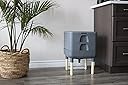
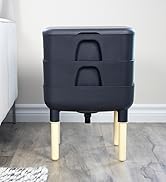
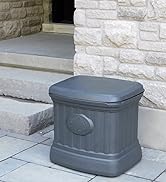
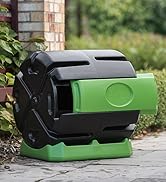
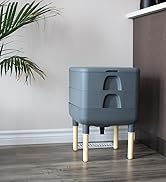
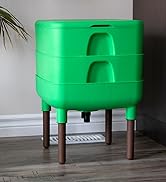
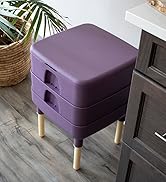
The Essential Living Composter is a compact, 8-gallon indoor worm composter designed for year-round use. Featuring a moisture control water retention channel, 52 angled migration tunnels, and 360-degree aeration support points, it optimizes worm health and composting efficiency. Made from BPA-free, UV-inhibited recycled polypropylene, it’s durable and eco-conscious. The unit collects nutrient-rich worm tea fertilizer and operates odor-free, making it perfect for apartments and small spaces. Worms are not included.


| ASIN | B0913GP19G |
| Best Sellers Rank | 215,066 in Garden ( See Top 100 in Garden ) 332 in Garden Compost Bins |
| Capacity | 8 gallons |
| Customer Reviews | 4.5 4.5 out of 5 stars (176) |
| Date First Available | 22 Mar. 2021 |
| Item display height | 22 inches |
| Item display length | 15 inches |
| Item display weight | 4.54 kg |
| Item display width | 15 inches |
| Item model number | HF-LC4000v2-GRY |
| Manufacturer | FCMP Outdoor |
| Material type | Polypropylene |
| Part number | HF-LC4000v2-GRY |
| Power source type | manual |
| Product Dimensions | 38.1 x 38.1 x 55.88 cm; 4.4 kg |
E**A
This is my first time vermicomposting, so I don’t have a lot of experience but I thought this bin was perfect. Very easy to set up, comes with starter bedding and coconut coir to get you started. It also looks very nice, absolutely no one would know that I have 1000+ worms in my apartment. I’ve had this bin for about 3 months and my worms are thriving, I’m getting compost, and no smell! For context I live in a 2 person apartment so no leaves or yard scraps being added to the bin. Just weekly cooking scraps and some small garden trimmings.
L**K
I love this set up so much! The worms really do migrate to the top level when the bottom one is full and this makes getting the waste material so much easier than just using a single layer bin. The bin holds a lot of red wiggler worms. If you are purchasing them, starting with the standard bag they sell would be perfect. Final thoughts, this is a great set up for kids, small spaces, and for teaching about composting. I initially bought one for my work with adults who have intellectual disabilities and loved it so much I bought one for me. I've had worm composters in the past and they were cumbersome and eventually I gave up. This one makes it easy to use and care for, I have no issues with odor or bugs, and I can see when the worms are migrating up. Very exciting 😊
G**.
Excelente para la cosecha de humus
I**H
Pisitiv: gut verarbeitet und stabil. Da kann man nicht meckern. Aufbau ist einfach, trotz der fehlenden deutschen Anleitung. Gestern bekommen und aufgebaut und die fleißigen Helfer sind auch schon eingezogen. Heute Morgen die Kontrolle... Negativ: die Würmchen können gut Klettern. Leider ist der Deckel nicht dicht am Rand. Vor allem da wo die Griffmulden sind. Und nach unten können die auch. Trotz der eingelegten Zeitschrift. Also entweder die Würmer hauen nach unten ab oder sie ertrinken in Wurmtee wenn der mal da ist irgendwann. Ein Sieb nach unten und ein dichter Deckel wären toll! Muss mal schauen ob ich da was modifizieren kann...wenn nicht geht das Teil zurück.
R**N
I will say, I’ve grown to love this thing. It was a rough start, though, and I think if this came with a good, comprehensive pamphlet on vermiculture best practices and tips, it would have saved me a lot of headache instead of having to do the research myself. I’ve had this for about three months now. If you’re thinking about buying this and you’re a first timer, like I am, I’d suggest a couple tips. 1. Take it slow. I know it’s hard to fight the urge to load it up with all your veggies, but seriously listen when they say to wait a week, then small bits at a time. The consequence of loading it up with tons of stuff, like I did, was an insane (like that scene in The Green Mile) infestation of fruit flies that took me a month to get rid of. I’ll be traumatized for a while from that experience. I was literally vacuuming them out of the air all throughout my house, literally hundreds a day (I counted) for weeks. So, don’t do that. It was disgusting and I very nearly threw the worm bin away. 2. Buy more worms. I went cheap and got a 250 at first, because I didn’t want to pay for more than that. But they just couldn’t keep up with our waste (two adults). I ended up buying 500 more, and after that, things have been going great because it can process my waste more quickly, which is another fruit fly preventative measure. If I had to do it over again, I’d probably have just gotten 1,000. I was worried to get too many because I thought there would be worms everywhere, but the self-contained system won’t allow for overpopulation. 3. Read up on fruit fly prevention first, and be proactive. Covering the top layer with a sheet of wet newspaper helped a lot, chopping waste into tiny pieces allows the worms to eat faster. I also have a small separate closed container to keep my scraps until I think my worms are ready for them—it’s way easier to manage the ecosystem. And neem oil is a good organic solution to prevent flies—I spray a bit on there once a month or so. Not too much. So, all that said, once I figured out how to actively prevent fruit flies, it’s really easy. Once you get the worms going, it’s very low maintenance. And fun to see baby worms and stuff. The worms don’t actually need to be fed that often. I feed them probably once every two or three weeks, and throw in paper scraps and stuff here and there. You can keep your scraps in the freezer if you want—just make sure they’re room temp before you put them in.
Trustpilot
1 month ago
1 week ago